- English
- French
- German
- Portuguese
- Spanish
- Russian
- Japanese
- Korean
- Arabic
- Greek
- German
- Turkish
- Italian
- Danish
- Romanian
- Indonesian
- Czech
- Afrikaans
- Swedish
- Polish
- Basque
- Catalan
- Esperanto
- Hindi
- Lao
- Albanian
- Amharic
- Armenian
- Azerbaijani
- Belarusian
- Bengali
- Bosnian
- Bulgarian
- Cebuano
- Chichewa
- Corsican
- Croatian
- Dutch
- Estonian
- Filipino
- Finnish
- Frisian
- Galician
- Georgian
- Gujarati
- Haitian
- Hausa
- Hawaiian
- Hebrew
- Hmong
- Hungarian
- Icelandic
- Igbo
- Javanese
- Kannada
- Kazakh
- Khmer
- Kurdish
- Kyrgyz
- Latin
- Latvian
- Lithuanian
- Luxembou..
- Macedonian
- Malagasy
- Malay
- Malayalam
- Maltese
- Maori
- Marathi
- Mongolian
- Burmese
- Nepali
- Norwegian
- Pashto
- Persian
- Punjabi
- Serbian
- Sesotho
- Sinhala
- Slovak
- Slovenian
- Somali
- Samoan
- Scots Gaelic
- Shona
- Sindhi
- Sundanese
- Swahili
- Tajik
- Tamil
- Telugu
- Thai
- Ukrainian
- Urdu
- Uzbek
- Vietnamese
- Welsh
- Xhosa
- Yiddish
- Yoruba
- Zulu
How to Choose the Right Full Mask Respirator for Industrial Use?
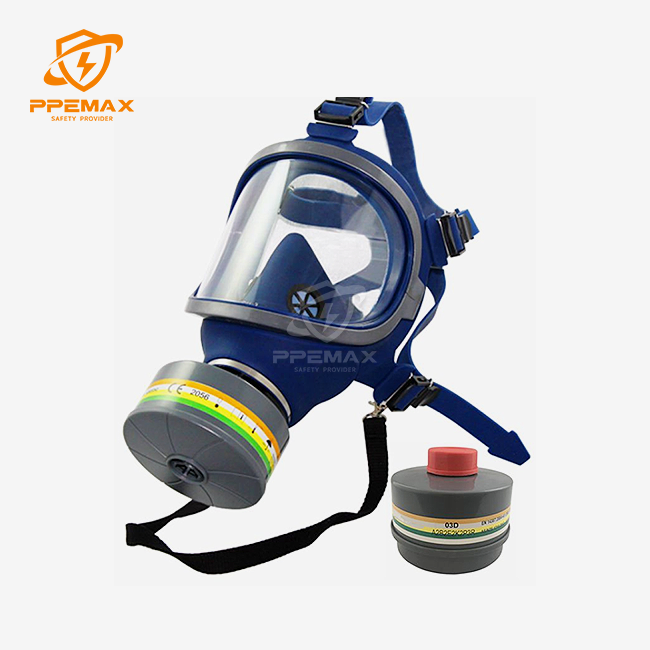
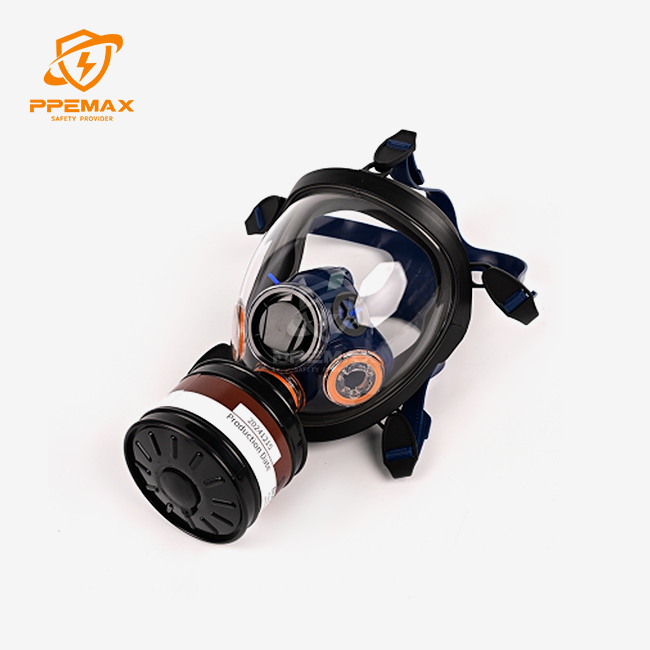
Choosing the right breathing protection gear is very important for keeping workers safe in dangerous places. A Full Mask Respirator covers the whole face and protects better against airborne pollution, so it is an important piece of personal protective equipment in many workplace settings. Full-face respirators protect the whole face, including the eyes, nose, and mouth, better than half-mask respirators do. They do this by blocking harmful gases, vapors, particles, and chemical spills. Knowing the important things to look for in a Full Mask Respirator will help you make sure that your employees are safe, comfortable, and able to do their jobs well. This guide will help you make the right choice by focusing on important factors like hazard assessment, fit standards, filter compatibility, and uses specific to your business.
What Features Should You Look for in a Full Mask Respirator?
Comfort and Ergonomic Design
Comfort is very important when picking a Full Mask Respirator, especially if you will be wearing it for a long time. High-quality models have soft rubber face seals that fit different face shapes and keep air from leaking out and causing skin itching to a minimum. Pressure points are avoided by evenly distributing weight, and five-point strap systems that can be adjusted let you get the perfect fit. A lot of respirators have speech diaphragms that make it easier to talk in noisy places. Some high-tech designs come with drinking tube systems that can be added as an extra. This lets you stay hydrated without taking off your mask. These useful features all work together to make sure that workers are safe, comfy, and well-protected during long shifts.
Visibility and Lens Quality
You need to be able to see to work safely and correctly with full mask protection. With a field of view of 200 degrees, high-end models come with plastic glasses that keep poisons and dirt out. This kind of eyewear doesn't let fog form, so you can see clearly while you work out. Protecting it from UV light and making it less likely to scratch helps it last longer and look better. Some respirators have filters that can be changed, so you can get new ones without throwing away the old ones. This saves money in the long run. Workers can see well, be aware of their surroundings, and do their jobs safely in a variety of places if they have good lenses.
Filter Compatibility and Connection Systems
It depends on how well the Full Mask Respirator removes air and how well it works with other tools. High-quality models use standard bolt connection methods so that installing the filter is quick and safe. They can work with a variety of filters, such as particulate, gas, mist, and mixed filters, to protect workers from a wide range of hazards. Because there are two entry valves, the wind is spread out evenly. This makes it easier to breathe and less tiring. Vents that work well let air and moisture out of the mask, which stops it from getting too hot. You should know about the risks at work in order to choose the best protection for your lungs. It is easier for workers to stay safe, feel relaxed, and do their jobs well when the link and filter design works well.
How Do You Ensure Proper Fit and Seal for a Full Mask Respirator?
Conducting Regular Fit Testing
Fit testing makes sure that a Full Mask Respirator protects properly by making sure that the seal around the face works well. All tight-fitting respirators must be fit tested every year by OSHA. Instruments are used in quantitative tests to measure leaking, while safe substances are used in qualitative tests to find leaks while the person is breathing or moving. As part of a safety program, the results of each worker's fit test should be written down. Because hair, scars, and weight changes can change the shape of the face, testing should be done again after major changes to the face or when moving mask types. Fit testing on a regular basis makes sure that defense stays the same and safety standards are met.
Understanding Seal Check Procedures
For a Full Mask Respirator to keep working well, the seal must be checked every day. For positive pressure checks, you gently let air out while covering the breathing valve. No air should get out. To do a negative pressure test, you have to block the filter's openings and breathe in. The mask should slightly fall without leaking. It only takes seconds for these checks to stop dangerous contact. Workers need to be taught that seal checks should not be used instead of proper fit tests. Employers should offer a range of sizes and types to make sure that everyone can find the right one before they go into dangerous places. Safety is maintained, and breathing risks are avoided at work through regular seal checks.
Addressing Common Fit Challenges
A Full Mask Respirator's seal can be broken by several things. The most common problem is facial hair. Even short stubble lets air leak out, so rules that require people to be clean-shaven are necessary. People who wear glasses with temple bars should use prescription lens inserts or mask types that are suitable to keep the seal. Fit can also be affected by face features, so you may need to try a different size or brand to get a good seal. Offering a range of Full Mask Respirators ensures comfort and safety, showing that a company cares about worker safety and long-term lung health in tough settings.
What Industries and Applications Require Full Mask Respirators?
Chemical and Pharmaceutical Manufacturing
Chemical processing and pharmaceutical production settings present intricate respiratory dangers that necessitate the use of a Full Mask Respirator for complete protection. People who work in these fields are exposed to dangerous gases, chemicals, and particles that can hurt their health right away or over time if they breathe them in or touch them. When working with flammable organic compounds, acids, bases, and explosive chemicals, it is essential to wear a Full Mask Respirator that protects both your lungs and your eyes. In pharmaceutical settings, protecting workers from strong active pharmaceutical ingredients (APIs) needs not only the right filtering but also a full face covering to keep mucous membranes from being exposed. Full Mask Respirators are very flexible, so workers can switch between different filter cartridges for different jobs. For example, they can use particulate filters for working with powdered materials, organic vapor cartridges for working with solvents, or combination filters for tasks that involve more than one type of contamination. Since 1956, Xi'An PPE MAX Co., Ltd has sold Full Mask Respirators to chemical and pharmaceutical plants all over the world. Their goods are approved to meet NIOSH, EN 136, and AS/NZS 1716 standards. Quality Full Mask Respirators are cost-effective for these businesses because they last a long time and can be used again and again. They are needed for whole shifts to protect workers' lungs.
Construction and Mining Operations
People who work in construction and mining are exposed to high levels of dust, silica, asbestos, and other harmful particles that can be breathed in. These particles are very dangerous and can cause major long-term health problems. A Full Mask Respirator protects better than throwaway respirators, especially in places where the amount of contaminants can change or is unknown. When working underground, people may be exposed to diesel fumes and air that doesn't have enough oxygen. In these cases, it's important to have the right Full Mask Respirator with the right filters. Demolition, cutting concrete, sandblasting, and spray painting are just a few of the construction activities that create particulate and chemical gas dangers that call for the full mask respirator. Industrial-grade Full Mask Respirators are built to last and can handle the harsh conditions of these workplaces, such as high humidity, extreme temperatures, and physical impacts. Models with stronger lens materials keep the lenses clear and protect against moving objects. Workers who use a Full Mask Respirator can switch between jobs during the workday without having to change respirators because the filters can be changed quickly. Xi'An PPE MAX Co., Ltd makes Full Mask Respirators with features that make them perfect for these tough jobs. For example, the surfaces are easy to clean, which is helpful for keeping people healthy in dirty places, and the strap systems can be adjusted to fit hard hats and other safety gear.
Emergency Response and Hazardous Waste Management
Responders to emergencies and people who handle toxic waste often have to deal with unpredictable airborne contaminants that could be life-threatening. This is why it is so important for their Full Mask Respirator tools to work well. There is no room for mistakes when these experts deal with chemical spills, toxic gases, biological dangers, or unknown mixtures of contaminants. Full Mask Respirators offer the best level of protection for non-supplied-air respiratory protection. They cover both the lungs and the eyes in one system. Modern Full Mask Respirators have wide-view glasses that let you see things around you. This is important for safety in emergencies, where being aware of your surroundings is very important. Responders can quickly switch cells in quick-connect filter systems when moving from one danger zone to another or when operations go beyond the original filter's capacity.
Conclusion
Choosing the right Full Mask Respirator requires careful consideration of workplace hazards, fit requirements, comfort features, and filter compatibility to ensure optimal worker protection. By prioritizing quality equipment with proper certifications, conducting thorough fit testing, and implementing comprehensive training programs, organizations can significantly reduce respiratory health risks while maintaining operational efficiency. Xi'An PPE MAX Co., Ltd has been a leading PPE supplier since 1956, serving as the largest manufacturer in Northwest China and providing globally trusted respiratory protection across 134 countries. Partner with us for end-to-end solutions—from expert OEM manufacturing to building your own brand. Benefit from decades of reliable quality, extensive industry experience, and tailored production capabilities. Where there are people, there is PPEMAX. Where there is a safety risk, there is your PPE provider. Contact us today at marketing@ppemax.com to discuss your Full Mask Respirator needs and discover how our expertise can safeguard your workforce.
FAQ
Q: What is a Full Mask Respirator, and how does it differ from a half-mask model?
A: A Full Mask Respirator covers the entire face—including eyes, nose, and mouth—offering both respiratory and eye protection, unlike half-mask models that only protect the nose and mouth.
Q: How do I choose the right Full Mask Respirator for my workplace?
A: Consider hazard type, filter compatibility, comfort, fit, and certification standards such as NIOSH or EN 136 to ensure effective protection and compliance.
Q: How often should Full Mask Respirators be fit tested?
A: OSHA requires annual fit testing, and additional testing should be done after facial changes, new mask models, or noticeable fit issues.
Q: What industries commonly use Full Mask Respirators?
A: They are widely used in chemical manufacturing, pharmaceuticals, construction, mining, emergency response, and hazardous waste management.
Q: How can I ensure a proper seal when wearing a Full Mask Respirator?
A: Perform positive and negative pressure seal checks before each use, stay clean-shaven, and use compatible accessories to maintain an airtight fit.
References
1. National Institute for Occupational Safety and Health. Respiratory Protection Program Guidelines for Industrial Facilities. Department of Health and Human Services, 2024.
2. American Industrial Hygiene Association. Selection and Use of Full Facepiece Respirators in Chemical Manufacturing Environments. AIHA Technical Journal, 2023.
3. European Committee for Standardization. EN 136: Respiratory Protective Devices - Full Face Masks - Requirements, Testing, Marking. CEN Standards Publication, 2022.
4. Occupational Safety and Health Administration. Respiratory Protection Standard Compliance Guide for Employers. US Department of Labor, 2024.
5. International Safety Equipment Association. Best Practices for Fit Testing Full Face Respirators in Industrial Settings. ISEA Technical Report Series, 2023.
6. Standards Australia and Standards New Zealand. AS/NZS 1716: Respiratory Protective Devices - Certification and Performance Standards. Joint Technical Committee, 2022.
Learn about our latest products and discounts through SMS or email