- English
- French
- German
- Portuguese
- Spanish
- Russian
- Japanese
- Korean
- Arabic
- Greek
- German
- Turkish
- Italian
- Danish
- Romanian
- Indonesian
- Czech
- Afrikaans
- Swedish
- Polish
- Basque
- Catalan
- Esperanto
- Hindi
- Lao
- Albanian
- Amharic
- Armenian
- Azerbaijani
- Belarusian
- Bengali
- Bosnian
- Bulgarian
- Cebuano
- Chichewa
- Corsican
- Croatian
- Dutch
- Estonian
- Filipino
- Finnish
- Frisian
- Galician
- Georgian
- Gujarati
- Haitian
- Hausa
- Hawaiian
- Hebrew
- Hmong
- Hungarian
- Icelandic
- Igbo
- Javanese
- Kannada
- Kazakh
- Khmer
- Kurdish
- Kyrgyz
- Latin
- Latvian
- Lithuanian
- Luxembou..
- Macedonian
- Malagasy
- Malay
- Malayalam
- Maltese
- Maori
- Marathi
- Mongolian
- Burmese
- Nepali
- Norwegian
- Pashto
- Persian
- Punjabi
- Serbian
- Sesotho
- Sinhala
- Slovak
- Slovenian
- Somali
- Samoan
- Scots Gaelic
- Shona
- Sindhi
- Sundanese
- Swahili
- Tajik
- Tamil
- Telugu
- Thai
- Ukrainian
- Urdu
- Uzbek
- Vietnamese
- Welsh
- Xhosa
- Yiddish
- Yoruba
- Zulu
Welding Face Shield Materials: Polycarbonate vs Acrylic
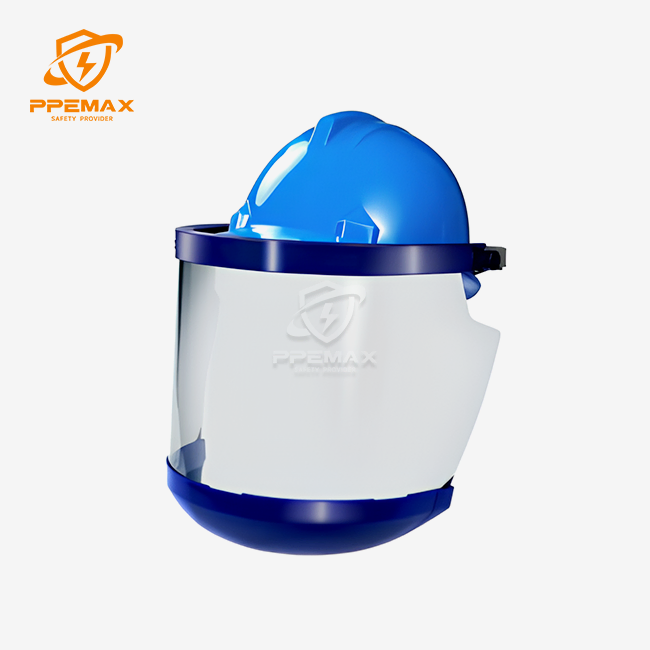
One of the most important choices affecting welder safety, vision, and long-term equipment costs is choosing the right lens material for a Welding Face Shield. Polycarbonate and acrylic, the two main materials used to make protective gear, have very different performance qualities that have a direct effect on the amount of protection, longevity, and optical quality. Both materials protect your eyes and face from welding dangers, but knowing how they work differently helps safety managers and welders make choices that are best for their individual working conditions and budgets. Due to its high strength and resistance to heat, polycarbonate has become the standard for high-impact welding uses. Acrylic, on the other hand, is still used in situations where clarity is important, and impact risks are low. In this in-depth study, we look at the science behind the materials, the differences in how well they work in real life, and the specific factors that affect which Welding Face Shield material is best for your needs and safety standards.
What Are the Key Differences Between Polycarbonate and Acrylic Welding Face Shields?
Impact Resistance and Safety Performance
Impact strength is the primary distinction between polycarbonate and plastic welding face shields. Polycarbonate is up to 250 times stronger than glass and about 20 times stronger than plastic. This makes it perfect for high-risk welding jobs where sparks and debris are common. Its chemical structure spreads out impact energy, which keeps it from breaking or hurting. Polycarbonate shields made by Xi'An PPE MAX Co., Ltd meet ANSI Z87.1-2020 standards, which means they are safe and will last a long time. Acrylic shields, on the other hand, are more fragile and easily break when hit hard, so they can only be used in light-duty situations where serious dangers don't happen very often.
Optical Clarity and Visual Performance
Another big difference between the two is how clear they are to the eye. Acrylic Welding Face Shields usually have great clarity and little warping, making them perfect for accurate welding jobs. But improvements in the way polycarbonate is made have made it look much better, giving it clarity similar to glass while still being stronger. The plastic shields from Xi'An PPE MAX have anti-fog and scratch-resistant finishes that make them last longer. They improve peripheral vision by giving you a bigger viewing area, like 3.82" × 2.44". Acrylic may be better for welders who work in low-impact areas because it lets them see a little better, but polycarbonate is better for welders who work in harsh conditions because it balances safety and sight.
Heat Resistance and Thermal Performance
When it comes to heat protection, polycarbonate welding face shields are better than acrylic. They can keep their shape up to 240°F (115°C), while acrylic can only keep its shape up to 160°F (70°C). Polycarbonate is better for high-heat welding, oxy-fuel cutting, and places where heat builds up quickly. It doesn't bend, pit, or lose its surface when sparks hit it, so it stays clear and safe for a long time. Xi'An PPE MAX makes plastic shields that are light and best for industrial use because they don't melt when they get hot. Acrylic shields work best in cooler, more controlled settings, but polycarbonate is still the best material for heavy-duty welding because it can withstand repeated heat exposure and save you money in the long run on replacement costs.
How Do You Choose the Right Material for Your Welding Face Shield?
Application-Specific Requirements Assessment
Depending on the welding process, the surroundings, and the level of hazard exposure, polycarbonate and acrylic welder face shields are the best options. For light-duty MIG or TIG welding in controlled conditions, either one may be enough. The choice should be based on cost. Heavy industrial work, like building ships or making things out of steel, needs polycarbonate because it is better at resisting heat and pressure. Polycarbonate also keeps out more UV light and can handle being handled roughly better than glass. Acrylic, on the other hand, is good for precise welding in clean, low-impact places where visibility is important. Polycarbonate is still the safer and more flexible choice for welders who do more than one job, like grinding or cutting.
Cost Considerations and Long-Term Value
Although plastic welding face shields are less expensive up front, polycarbonate versions typically offer better long-term value. Acrylic shields may be 20–30% less expensive, but they break easily, so they need to be replaced often, which causes downtime. Polycarbonate screens last a lot longer, which lowers the total cost of ownership and raises output. Xi'An PPE MAX sells long-lasting plastic screens with a hard coating that doesn't scratch and stays clear over time. These performance benefits can make up for higher starting costs while lowering the risk of damage and liability. Standardizing on polycarbonate also makes it easier to train workers and make sure they follow safety rules. This provides uniform security and lowers the facility's administrative and operational costs.
Regulatory Compliance and Certification Standards
When choosing materials for a Welding Face Shield, it is very important to make sure that they meet safety standards. ANSI Z87.1-2020 impact guidelines can be met by both polycarbonate and glass, but polycarbonate has a bigger safety margin. Major global standards, like EN 175:1997 and AS/NZS 1338.1:2012, have approved Xi'An PPE MAX shields. This makes it easy for international companies to follow the rules. Polycarbonate is often needed for better stability in fields with strict safety rules, like aircraft and defense. The auto-darkening shields from Xi'An PPE MAX have reaction times of only 1/25,000 seconds and shade ranges of 9–13 for the best safety. Because polycarbonate is flexible, it works better with respirators, which makes paperwork and audit compliance easier.
What Features Should You Look for in a Quality Welding Face Shield?
Advanced Protection Technologies
Beyond just eye protection, modern welding face shields incorporate sophisticated safety features. Auto-darkening technology changes the lens shade automatically to match the brightness of the arc, making it easier to see and more efficient without having to make any changes by hand. The types from Xi'An PPE MAX use solar power with a battery backup to make sure they work well even when it's dark outside. A shade range of 9 to 13 that can be adjusted makes it useful for a variety of welding types, and multi-sensor systems make arc recognition more reliable. Grind mode lets you work in light mode for jobs that aren't welding. Full-face masks that are light (1.2 pounds) and comfortable protect the face, neck, and head without putting stress on the neck when worn for long periods of time.
Ergonomic Design and User Comfort
Welders must be comfortable with their Welding Face Shields to keep using them. Adjustable helmet spreads weight evenly and lets you get the right fit, and the 1.2-pound weight of the Xi'An PPE MAX keeps you from getting tired during long shifts. Padding at touch points stops pressure sores, and materials that wick away moisture make it easier to be comfortable in hot places. A large viewing area (3.82" × 2.44") keeps the head from moving too much and helps accuracy. Ventilation systems help keep things from freezing up without lowering the level of safety. Compatibility with respirators, hearing protection, and safety glasses makes sure that welders follow all safety rules while working easily and quickly in tough industrial settings.
Durability and Maintenance Considerations
Long-term safety and cost-effectiveness depend on how durable something is. Scratch-resistant and anti-fog coatings keep lenses clear and cut down on repairs, and parts that are easy to change, like lenses and headgear, make the glasses last longer. Spare parts and expert help are available from Xi'An PPE MAX to make maintenance easier. Polycarbonate surfaces that are smooth don't let dust build up and are easy to clean, which helps with good cleanliness. When things are stored correctly and in safe boxes, UV and heat damage can be avoided. It's easy to make changes to modular designs, like changing auto-darkening cartridges. Premium Welding Face Shields are set apart by their reliable insurance coverage and after-sales service, which guarantees long-term value, consistent safety, and reliable performance in industrial settings.
Conclusion
Ultimately, the choice between polycarbonate and acrylic Welding Face Shields materials comes down to the needs of the application. Polycarbonate is better at resisting impacts and lasting longer for most industrial welding tasks, while acrylic is better for specific tasks that value optical clarity over all else. Knowing about the qualities of materials, security technologies, and ergonomic features will help you make sure that your employees are safe and comfortable.
Partner with PPEMAX for Reliable, Custom Welding Face Shield Solutions
Xi'An PPE MAX Co., Ltd has been a leading PPE supplier since 1956, providing globally trusted protection solutions across 134 countries. Partner with us for end-to-end solutions—from expert OEM manufacturing to building your own brand. Benefit from decades of reliable quality, extensive industry experience, and tailored production capabilities. Where there is welding, there is PPEMAX. Where there is a safety risk, there is your PPE provider. Contact us today at marketing@ppemax.com to discuss your Welding Face Shields needs.
References
1. American National Standards Institute. ANSI Z87.1-2020: Occupational and Educational Personal Eye and Face Protection Devices. American National Standards Institute Publication, 2020.
2. Welding Institute Research. Comparative Analysis of Face Shield Materials in High-Temperature Welding Applications. TWI Technical Journal, 2023.
3. National Institute for Occupational Safety and Health. Criteria for Recommended Standard: Welding, Brazing, and Thermal Cutting. NIOSH Publication Series, 2024.
4. European Committee for Standardization. EN 175:1997: Personal Protection - Equipment for Eye and Face Protection During Welding. CEN Standards Publication, 2022.
5. American Welding Society. Safety in Welding, Cutting, and Allied Processes: Material Selection for Personal Protective Equipment. AWS Safety and Health Fact Sheets, 2023.
6. International Safety Equipment Association. Impact Resistance Testing Protocols for Protective Face Shields in Industrial Applications. ISEA Technical Standards Review, 2024.
Learn about our latest products and discounts through SMS or email