- English
- French
- German
- Portuguese
- Spanish
- Russian
- Japanese
- Korean
- Arabic
- Greek
- German
- Turkish
- Italian
- Danish
- Romanian
- Indonesian
- Czech
- Afrikaans
- Swedish
- Polish
- Basque
- Catalan
- Esperanto
- Hindi
- Lao
- Albanian
- Amharic
- Armenian
- Azerbaijani
- Belarusian
- Bengali
- Bosnian
- Bulgarian
- Cebuano
- Chichewa
- Corsican
- Croatian
- Dutch
- Estonian
- Filipino
- Finnish
- Frisian
- Galician
- Georgian
- Gujarati
- Haitian
- Hausa
- Hawaiian
- Hebrew
- Hmong
- Hungarian
- Icelandic
- Igbo
- Javanese
- Kannada
- Kazakh
- Khmer
- Kurdish
- Kyrgyz
- Latin
- Latvian
- Lithuanian
- Luxembou..
- Macedonian
- Malagasy
- Malay
- Malayalam
- Maltese
- Maori
- Marathi
- Mongolian
- Burmese
- Nepali
- Norwegian
- Pashto
- Persian
- Punjabi
- Serbian
- Sesotho
- Sinhala
- Slovak
- Slovenian
- Somali
- Samoan
- Scots Gaelic
- Shona
- Sindhi
- Sundanese
- Swahili
- Tajik
- Tamil
- Telugu
- Thai
- Ukrainian
- Urdu
- Uzbek
- Vietnamese
- Welsh
- Xhosa
- Yiddish
- Yoruba
- Zulu
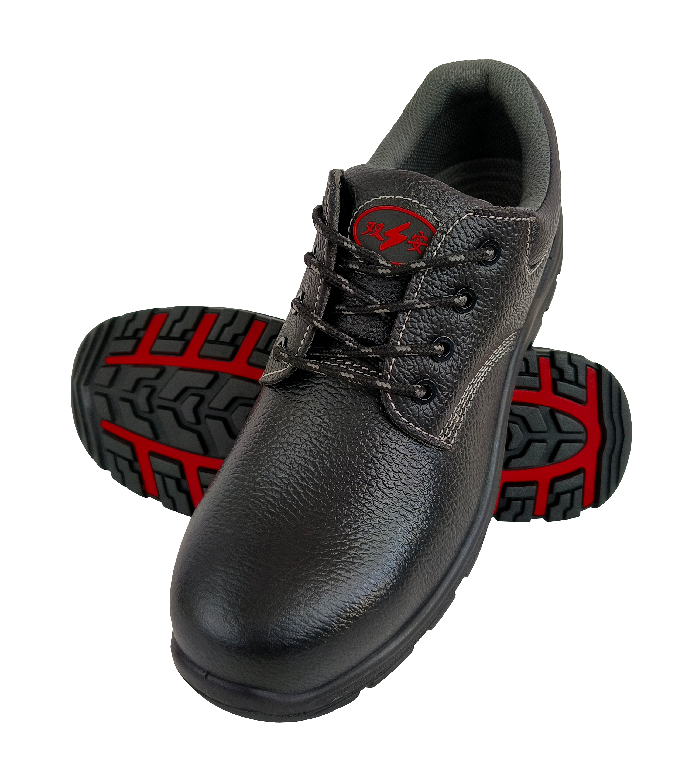
Anti-Scalding Safety Shoes
Anti-spark and high-temperature resistant welding work shoes
Anti-Scalding Safety Shoes for Welders & Industrial Workers | PPE MAX
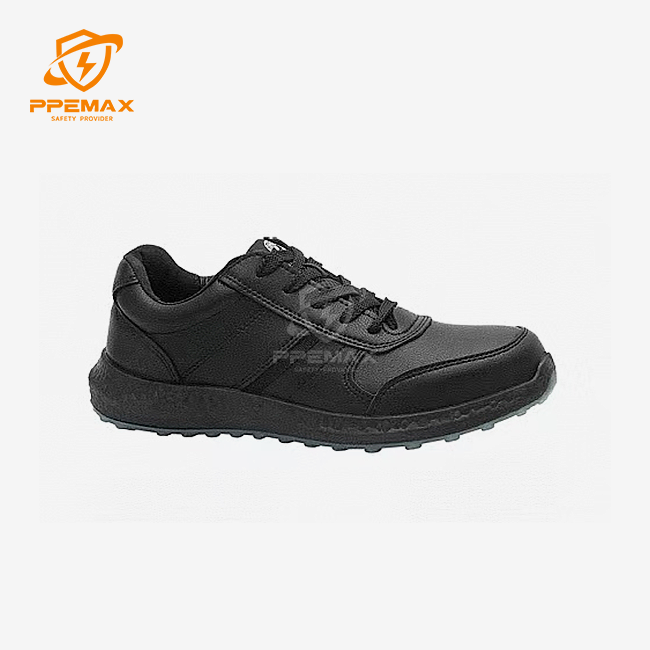
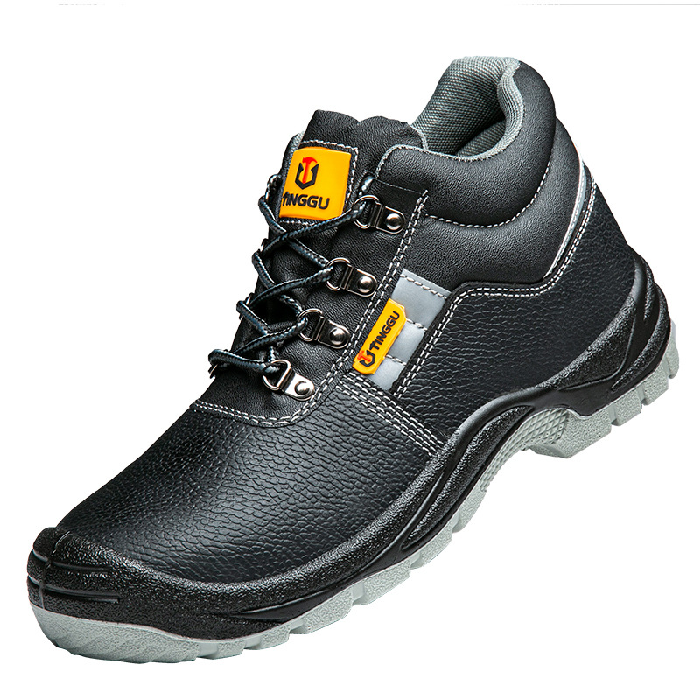
In high-heat industrial settings, anti-scalding safety shoes are not a luxury. They are a baseline requirement. PPE MAX makes footwear built for foundries, welding stations, and heavy manufacturing floors. Molten metal splashes, radiant heat, and hot liquids are routine hazards in those places. Our outsoles are Vulcanized Nitrile Rubber, rated to 300°C. Stitching is fire-retardant Kevlar. Uppers are heat-treated full-grain leather. All of it is tested to EN ISO 20349 standards.
Who We Are
Xi'An PPE MAX Co., Ltd has manufactured protective footwear since 1956. We are a factory-direct supplier based in Xi'An, China. We are not a trading company or a reseller. For B2B buyers, that difference matters. You talk directly with the production team. Quality inspection happens in-house. Every order comes with full traceability.
Industrial buyers come to us from every corner of the globe. Metallurgy, metal fabrication, glass manufacturing, and large-scale food processing are the fields they work in. Every product starts with the raw materials we source. Then comes thermal stress testing. Footwear only leaves the building after that.

What Are This Product?
Keeping a worker's feet safe from heat is this product do. Molten metal splashes are one risk. Boiling liquids are another. Radiant heat coming off industrial surfaces counts too. This footwear sits inside Personal Protective Equipment as its own category.
A PU sole on standard safety footwear starts to soften at 100–130°C, or melts outright. That rules it out for high-heat industrial zones. Anti-scalding shoes take a different route. Their outsoles are Vulcanized Nitrile Rubber, which stands up to direct contact heat of 300°C. Heat-treated leather uppers sit above that. Put thermal insulating footbeds in the mix and the result is a full protective system.

Standard Specifications
| Parameter | Detail |
|---|---|
| Upper Material | Full-grain leather with heat-resistant chemical treatment |
| Outsole Material | Vulcanized Nitrile Rubber (HRO rated) |
| Outsole Heat Resistance | 300°C contact heat for ≥60 seconds without melting or cracking |
| Stitching Thread | Fire-retardant Kevlar or Nomex thread |
| Thermal Insulation (HI) | Temperature rise <22°C after 30 minutes at 150°C (sandbath test) |
| Water Resistance | WRU — resists hot liquid penetration |
| Testing Standard | EN ISO 20349 |
| Protection Class | HRO + HI + Anti-Spark |
| Available Sizes | Custom sizing available for B2B orders |
Key Features
HRO-Certified Nitrile Rubber Outsole
The outsole withstands contact heat of 300°C for at least 60 seconds without melting, charring, or cracking. This addresses the primary failure point of standard PU-soled footwear in flash heat environments.
Heat-Treated Full-Grain Leather Upper
Premium leather makes up the upper. It gets treated with chemicals that resist heat. Radiant heat bounces back off it. Heat from a hot surface struggles to get through. Run those thermal cycles over and over and the material keeps its shape. It never goes stiff.
Fire-Retardant Structural Stitching
All seams use Kevlar or Nomex thread, preventing structural delamination under heat stress — a documented failure mode where the upper separates from the sole during repeated thermal exposure.
Thermal Insulation Anti-Scalding Safety Shoes Footbed (HI)
Heat coming up from the ground moves slowly through the footbed inside. After 30 minutes on a surface of 150°C, the temperature inside still rises less than 22°C. Fatigue drops as a result. So does the risk of burns during long shifts on heated floors.
Anti-Spark Construction
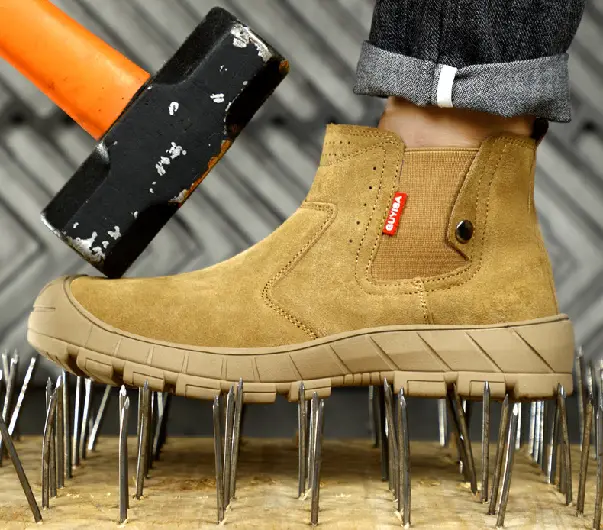
Sparks that fly through the air will not set the upper on fire, and they will not stick to it either. Welding jobs where metal slag and sparks float around are a good fit for these shoes.

Applications for Anti-Scalding Safety Shoes
Metallurgical Foundries & Smelting
Molten iron or aluminum can splash onto workers at temperatures above 1,000°C. The liquid metal has to roll off the shoe, not cling to it. Leather makes up the upper for that reason. Stitching is also built to keep its shape. This is how burn-through is stopped.
Welding Stations & Metal Fabrication
Sparks fly. Metal slag lands on the floor. Hot surfaces sit right underfoot. All three are hazards a worker meets every shift. The upper resists sparks, and the HRO outsole adds the rest. Together they meet what welder safety footwear has to protect against.
Industrial Food Processing & Commercial Kitchens
One spill of boiling water or hot frying oil can cover a whole floor. Footwear then has to stand up to scalding. It also needs SRC slip resistance. Take away either one and people hit the deck. Wet, greasy ground offers no grip.
Glass & Ceramics Manufacturing
Kilns and hot debris put a lot of heat near the worker. A thermal insulation footbed and a heat-stable outsole help here. Both keep their structure, and the wearer stays comfortable through long shifts.

Certifications
Testing of our footwear follows EN ISO 20349. That European standard covers footwear for molten metal splash and heat resistance in foundry and welding work.
Key tests include:
- Molten metal splash resistance (upper burn-through)
- Contact heat resistance (HRO): 300°C outsole test
- Heat insulation (HI): Sandbath test at 150°C
- Hydrolysis resistance: Flex testing under moist heat
- Bond strength: tensile testing carried out after heat aging

Packaging
Every order leaves us in standard export packaging. Each pair of Anti-Scalding Safety Shoes goes into its own box with protective inner packing. The boxes then go into master cartons that work on a pallet. For approved B2B orders we can do custom labels, branded inserts, and OEM packaging. Send us your volume and delivery needs and we will come back with a proposal.

FAQ
Q: How do standard S3 safety shoes differ from this product?
A: Most standard S3 shoes come with PU soles. Those start to soften at around 100°C to 130°C. This product work differently. Their soles are Nitrile Rubber (HRO) and they take direct contact up to 300°C. The leather uppers also get a heat-resistant treatment. That slows down how heat moves through the material.
Q: Will these shoes hold up to long furnace heat, or a direct dip in molten material?
A: No safety shoe gives you unlimited protection. Splash exposure and short thermal contact inside the rated limits are what these shoes are built for. Leave them in molten material too long, or push past the rated parameters, and the shoe gets damaged. The wearer can get hurt too.
Q: How do you look after these shoes?
A: After each shift, remove metal slag. Wipe off oil. Clear away chemical residue. Do not force-dry the shoes near an open flame or a radiator. The leather will crack. Work heat-resistant dubbin into the leather often. This keeps it flexible. It also helps the shoes last longer.
Q: Do you suggest a schedule for replacing them?
A: Heat cycles make materials age faster. The tread may still look fine. Even so, the rubber gets hard and small cracks open up in the leather. Over time, thermal protection drops. Workers in high-heat zones should check their footwear often. Once signs of degradation show up, replace it.
Q: Are these shoes waterproof?
A: Most models come with a WRU (Water Resistant Upper) rating. It slows hot liquid from getting through and makes scalds less severe. Workers in wet environments can order full waterproof membrane versions. One catch: under high heat, membranes usually breathe less well.
Q: Which certifications matter when I source welding footwear that resists heat?
A: EN ISO 20349 is the standard that matters most in Europe for welding and foundry footwear. It deals with heat resistance and molten metal splash. Ask for the test reports before you order. Make sure they confirm HRO outsole performance and the HI insulation rating. Upper molten metal splash resistance has to be in there too.
Contact Us
Reach our team at bettybing@ppemax.com to request product specifications, samples, or B2B pricing for anti-scalding safety shoes.
Learn about our latest products and discounts through SMS or email