- English
- French
- German
- Portuguese
- Spanish
- Russian
- Japanese
- Korean
- Arabic
- Greek
- German
- Turkish
- Italian
- Danish
- Romanian
- Indonesian
- Czech
- Afrikaans
- Swedish
- Polish
- Basque
- Catalan
- Esperanto
- Hindi
- Lao
- Albanian
- Amharic
- Armenian
- Azerbaijani
- Belarusian
- Bengali
- Bosnian
- Bulgarian
- Cebuano
- Chichewa
- Corsican
- Croatian
- Dutch
- Estonian
- Filipino
- Finnish
- Frisian
- Galician
- Georgian
- Gujarati
- Haitian
- Hausa
- Hawaiian
- Hebrew
- Hmong
- Hungarian
- Icelandic
- Igbo
- Javanese
- Kannada
- Kazakh
- Khmer
- Kurdish
- Kyrgyz
- Latin
- Latvian
- Lithuanian
- Luxembou..
- Macedonian
- Malagasy
- Malay
- Malayalam
- Maltese
- Maori
- Marathi
- Mongolian
- Burmese
- Nepali
- Norwegian
- Pashto
- Persian
- Punjabi
- Serbian
- Sesotho
- Sinhala
- Slovak
- Slovenian
- Somali
- Samoan
- Scots Gaelic
- Shona
- Sindhi
- Sundanese
- Swahili
- Tajik
- Tamil
- Telugu
- Thai
- Ukrainian
- Urdu
- Uzbek
- Vietnamese
- Welsh
- Xhosa
- Yiddish
- Yoruba
- Zulu
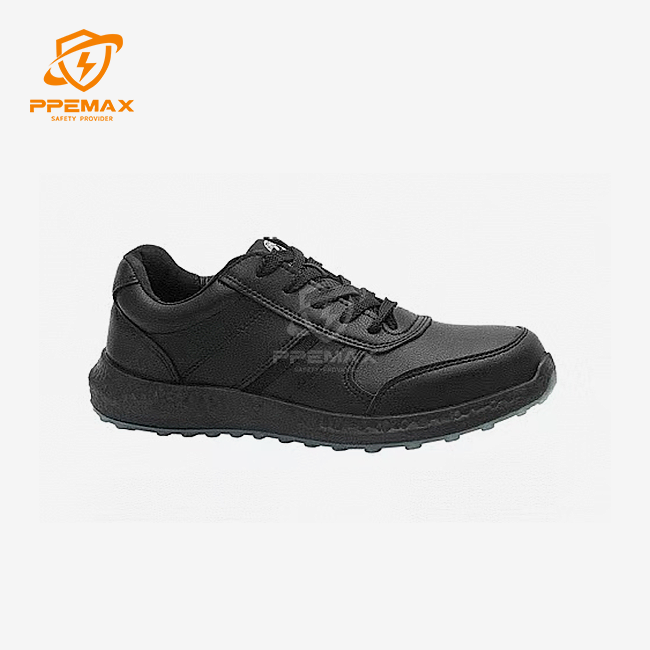
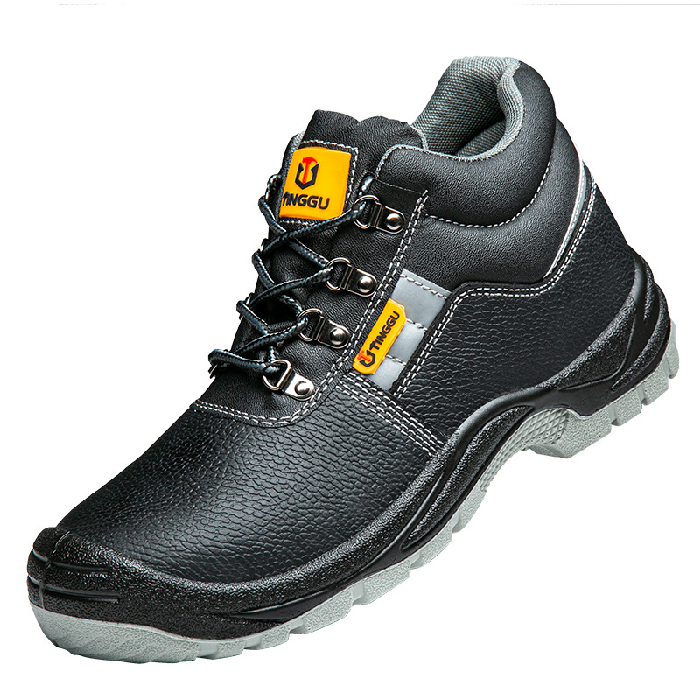
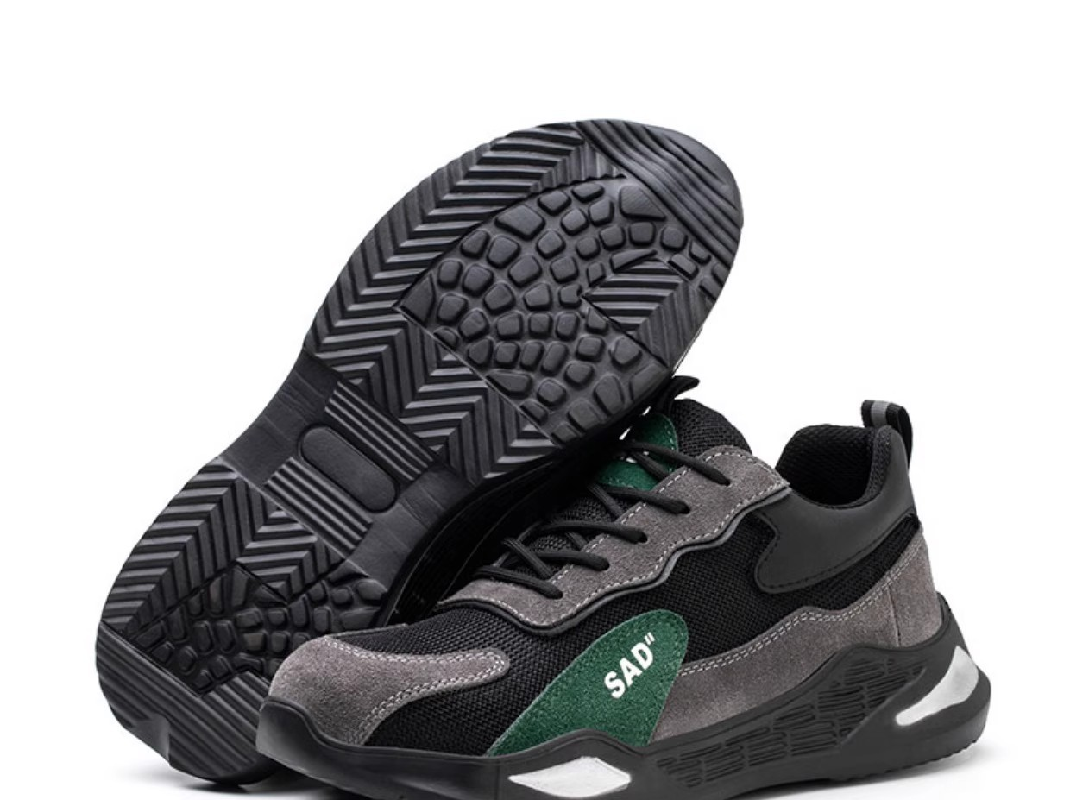
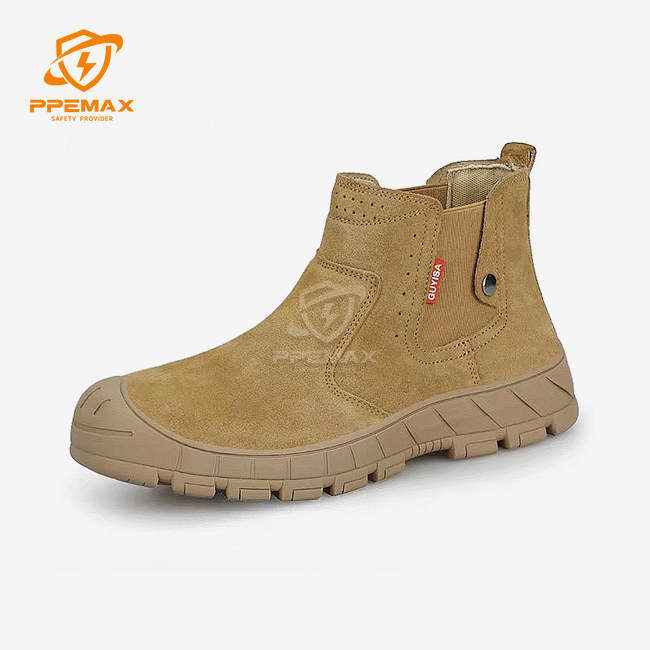
Electrical Insulating Safety Shoes
Electrical insulation dielectric safety shoes
Xi'An PPE MAX Co., Ltd: Your Trusted Electrical Insulating Safety Shoes Manufacturer & Supplier
Xi'An PPE MAX Co., Ltd has been protecting workers since 1956, specializing in high-quality Electrical Insulating Safety Shoes that meet the most demanding safety standards. Our shoes give prevalent dielectric assurance with voltage resistance extending from 14kV to 35kV, keeping up spillage current underneath 3mA amid verification voltage tests. With over six decades of involvement, we provide solid footwear arrangements that ensure against electrical risks in control transmission, EV fabricating, and railroad zap frameworks, guaranteeing your workforce returns domestic securely each day.
What are Electrical Insulating Safety Shoes?
Our safety shoes are specialized Personal Protective Equipment built to anticipate electrical current from streaming through your body to the ground. Not at all like anti-static footwear that scatters inactive charge, these shoes make a basic segregation obstruction utilizing high-impedance materials.
You'll discover these shoes fundamental for security against:
- Fatal cardiac fibrillation during live-line maintenance
- Accidental contact with energized circuits (600V to 20kV+)
- Arc flash injuries and step voltage hazards
- Ground faults in high-voltage environments
These shoes comply with safety protocols including NFPA 70E, ASTM F2413 (EH rating), and EN 50321 for live working environments.


Standard Specifications
|
Parameter |
Specification |
Standard |
|
Voltage Resistance |
14kV - 35kV |
EN 50321 Class 00-4 |
|
Leakage Current |
≤ 3mA (≤ 1mA specific classes) |
ASTM F2413-18 |
|
Proof Test Voltage |
5kV, 10kV, 20kV |
EN 50321-1 |
|
Outsole Material |
Vulcanized Rubber/PU Blend |
ISO 20345 |
|
Toe Cap |
Non-metallic Composite |
ASTM F2413 |
|
Slip Resistance |
SRC Rated |
EN ISO 20345 |
|
Temperature Range |
-20°C to +50°C |
EN 50321 |
|
Sole Thickness |
6-8mm minimum |
Internal Standard |
Features
Our Electrical Insulating Safety Shoes consolidate progressed building for greatest protection::
Dielectric Outsole Technology
- Vulcanized elastic compounds stand up to voltage breakdown
- Oil, corrosive, and hydrolysis safe formulation
- Maintains cover properties beneath mechanical stress
Non-Metallic Construction
- Composite toe caps kill conductivity risks
- Metal-free equipment all through design
- Continuous dielectric keenness from sole to upper
Advanced Safety Integration
- Puncture-resistant midsole protection
- Shock-absorbing heel design
- Moisture-wicking insides lining


Advantages
When you select our protection security footwear, you get:
Superior Protection Performance
- Withstands extraordinary voltage conditions safely
- Prevents electrical stun and circular segment streak injuries
- Maintains security indeed in challenging environments
Durability & Comfort
- High scraped spot resistance amplifies benefit life
- Ergonomic plan decreases weakness amid long shifts
- Breathable materials keep feet comfortable
Compliance Assurance
- Meets universal security standards
- Regular testing guarantees reliable quality
- Documentation underpins your security programs
Applications
Our shoes serve three basic high-risk sectors:
Power Transmission and Distribution
Linemen and substation specialists depend on our dielectric boots for security against step-touch potential. You'll utilize these whereas climbing shafts or working high-voltage switchgear, requiring outright segregation in unusual open air conditions.
Electric Vehicle Manufacturing and Maintenance
Technicians dealing with high-voltage battery packs (400V-800V) require EH-rated footwear to anticipate ground issues. Our shoes secure you amid get together operations and crisis reaction situations.
Railway Electrification Systems
Workers keeping up third rails or overhead catenaries utilize our shoes to explore conductive situations. You'll appreciate how they keep up protection properties indeed when clamminess and tall voltage coexist.
Why Choose Us?
Six Decades of Expertise
Since 1956, PPE MAX has devoted itself to specialist security. We get it the basic nature of electrical security and build our items accordingly.
We Test What We Make
Our group actually employments each item we make. This hands-on approach guarantees you get footwear we believe with our possess safety.
Quality-First Manufacturing
Every combine experiences thorough testing counting withstand voltage tests and sole holding quality confirmation. We keep up strict quality control to ensure your workforce.
Customer-Centric Approach
We tune in to your particular needs and convey arrangements that meet your security prerequisites at available prices.

Certifications
- ASTM F2413-18 (EH - Electrical Hazard Protection)
- EN 50321 (Live Working Standards)
- ISO 20345 (Safety Footwear)
- NFPA 70E Compliance

Packing
Our Electrical Insulating Safety Shoes come in sturdy cardboard boxes with protective tissue paper. Each box includes:
- Size and specification labels
- Care instruction cards
- Certification documentation
- Individual shoe bags for storage
Standard packaging: 10 pairs per carton, with customizable labeling available for bulk orders.
After-sales Service
We give comprehensive bolster including:
- Technical direction for appropriate utilize and maintenance
- Replacement parts when available
- Quality issue determination inside 24 hours
- Training materials for security programs
FAQ
Q: What's the difference between Anti-static (SD) and Electrical Insulating (EH) shoes?
A: They serve opposite purposes. Anti-static shoes conduct electricity to prevent static buildup, while our insulating shoes isolate you from ground to prevent shock from energized circuits.
Q: Can I wear these shoes in wet conditions?
A: It depends on the standard. Leather EH-rated shoes offer secondary protection in dry conditions only. For wet environments, choose our EN 50321 certified dielectric rubber boots.
Q: How often should I test the insulating properties?
A: For dielectric boots (primary protection), re-test every 6-12 months. For EH shoes (secondary protection), inspect daily for sole damage.
Q: Do steel toe caps affect insulation?
A: Properly constructed EH shoes can use steel toes if fully encapsulated in non-conductive material. We prefer composite toes to eliminate any metal exposure risks.
Q: What makes these shoes unsafe for continued use?
A: Any crack, puncture, or deep cut in the outsole renders the shoes unsafe. These defects reduce the breakdown voltage threshold and compromise your protection.
Contact Us
Ready to protect your workforce? Contact us at marketing@ppemax.com for expert guidance and competitive pricing on electrical Electrical Insulating Safety Shoes solutions.
Learn about our latest products and discounts through SMS or email