- English
- French
- German
- Portuguese
- Spanish
- Russian
- Japanese
- Korean
- Arabic
- Greek
- German
- Turkish
- Italian
- Danish
- Romanian
- Indonesian
- Czech
- Afrikaans
- Swedish
- Polish
- Basque
- Catalan
- Esperanto
- Hindi
- Lao
- Albanian
- Amharic
- Armenian
- Azerbaijani
- Belarusian
- Bengali
- Bosnian
- Bulgarian
- Cebuano
- Chichewa
- Corsican
- Croatian
- Dutch
- Estonian
- Filipino
- Finnish
- Frisian
- Galician
- Georgian
- Gujarati
- Haitian
- Hausa
- Hawaiian
- Hebrew
- Hmong
- Hungarian
- Icelandic
- Igbo
- Javanese
- Kannada
- Kazakh
- Khmer
- Kurdish
- Kyrgyz
- Latin
- Latvian
- Lithuanian
- Luxembou..
- Macedonian
- Malagasy
- Malay
- Malayalam
- Maltese
- Maori
- Marathi
- Mongolian
- Burmese
- Nepali
- Norwegian
- Pashto
- Persian
- Punjabi
- Serbian
- Sesotho
- Sinhala
- Slovak
- Slovenian
- Somali
- Samoan
- Scots Gaelic
- Shona
- Sindhi
- Sundanese
- Swahili
- Tajik
- Tamil
- Telugu
- Thai
- Ukrainian
- Urdu
- Uzbek
- Vietnamese
- Welsh
- Xhosa
- Yiddish
- Yoruba
- Zulu
Key Benefits of Electrical Rubber Gloves for Arc Flash Teams
Founded in 1956, PPEMAX stands as a premier global manufacturer and supplier of full-range personal protective equipment. All our products comply with internationally recognized standards including IEC, ASTM, CE, UKCA, NIOSH and ISO9001. Equipped with a 2,000-square-meter modern production plant, we boast over 25 years of mature OEM & ODM capabilities to deliver one-stop customized solutions covering R&D design through worldwide logistics. Our safety gear is distributed across 134 countries globally. Upholding our core tenet “Safety First, Quality Priority”, we serve as a dependable long-term PPE partner for industrial enterprises around the world.
One of the most important pieces of equipment in protecting arc flash crews from the life-threatening threats on the job is electrical rubber gloves. These insulating gloves provide workers with a vital buffer against energised electrical equipment, shielding them from shock injuries that may cause serious burns, cardiac arrest, or even death. Around the globe, in the industrial settings we have seen at PPE MAX, the right selection of the right glove may change the workplace safety results. Procurement managers, safety engineers, and distributors can make better choices to safeguard their personnel, keep operations running smoothly, and stay compliant with regulations when they know the full advantages these gloves provide.
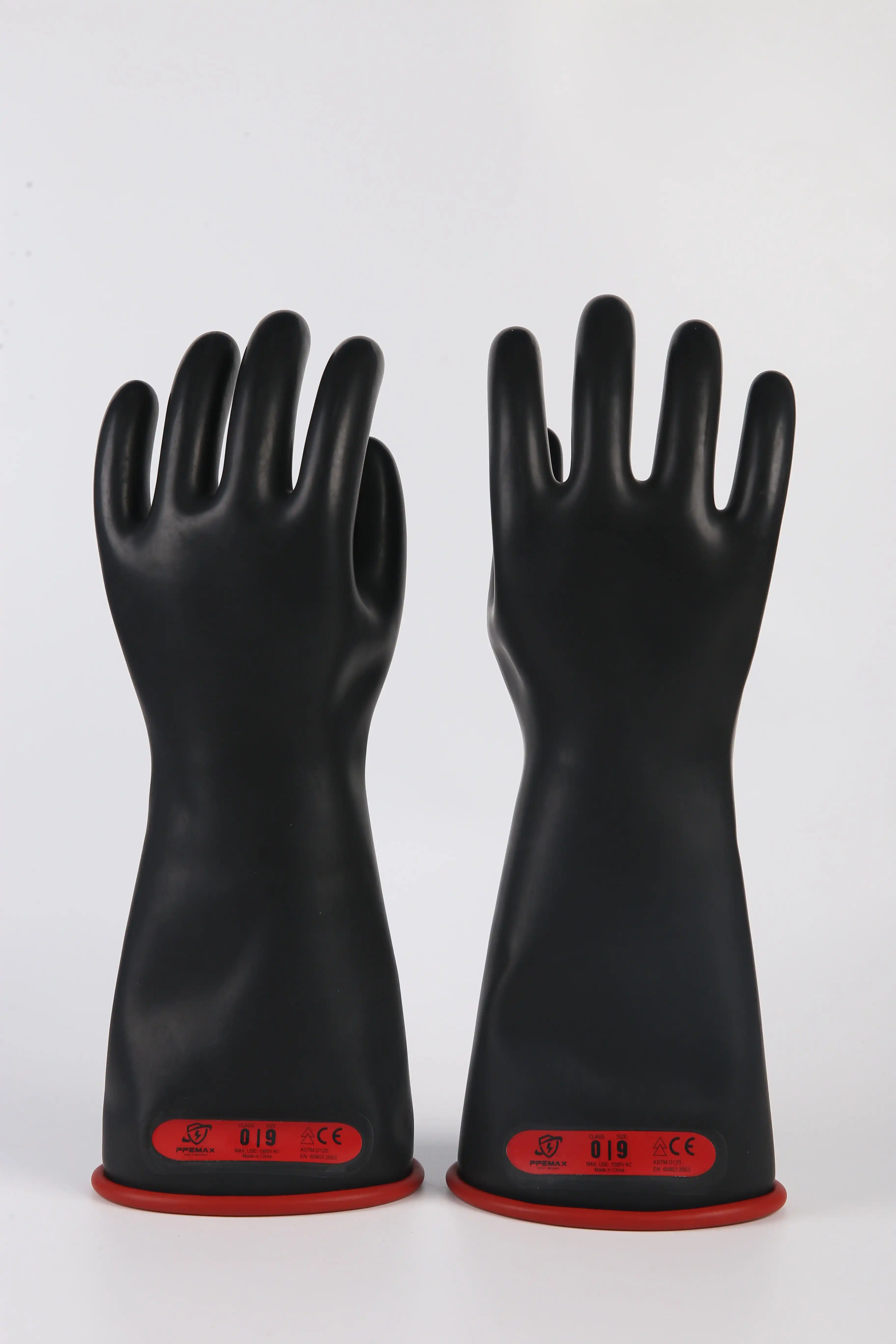
|
Parameter |
Specification |
|
Maximum Use Voltage |
1,000V AC / 1,500V DC |
|
Proof Test Voltage |
5,000V AC / 20,000V DC |
|
Label Color |
Red (ASTM D120/IEC 60903) |
|
Material Type |
Type I (Natural Rubber) / Type II (EPDM) |
|
Thickness |
1.02mm (0.040 inches) |
|
Length Options |
11", 14", 16" inches |
|
Cuff Styles |
Straight, Bell, Contour |
|
Standards Compliance |
ASTM D120, IEC 60903, OSHA 29 CFR 1910.137 |
Core Benefits of Electrical Rubber Gloves for Arc Flash Teams
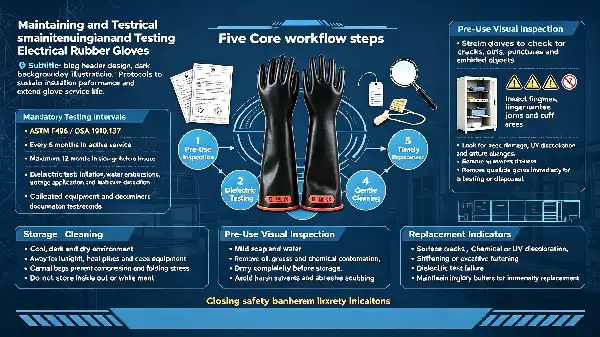
The value proposition of high-quality insulating gloves goes much beyond just shock protection. Teams using correctly rated gloves see demonstrable gains in many different safety and productivity metrics.
Superior Electrical Insulation Capabilities
Insulating rubber gloves are mostly used to keep electric current away from the body of the wearer. When electrical rubber gloves are used, workers operating on live wires, the dielectric qualities of the gloves force the current to stay in the appropriate circuit route rather than seeking ground via the human body. This is particularly important during an arc flash occurrence, when the explosive energy releases may reach temperatures above 35,000 degrees Fahrenheit. Even if contact happens, the rubber is such a good insulator that it greatly decreases the intensity of the shock. This is important because it gives the worker a few key moments to respond and move away from the danger.
Mechanical Durability in Demanding Environments
Good insulating gloves protect not only against electricity but also provide excellent resistance to physical threats that might threaten safety. The rubber compounds withstand punctures from sharp edges on electrical cabinets, abrasion from uneven surfaces in utility vaults, and rips from repeated bending during wire handling. The mechanical strength provides the protective integrity of gloves throughout a tough work shift. At PPE MAX, we test our gloves via stringent quality standards as we recognise that one compromise in mechanical integrity might establish a channel for electrical current.
Flexibility Supporting Precision Task Performance
Arc flash team members do complex operations on a daily basis that need precise motor control, such as connecting terminal blocks, manipulating tiny circuit breakers, adjusting meter components, and managing sensitive electrical interfaces. Class 00 gloves are very thin, ranging in thickness from 0.5 to 1 millimetre. This offers protection while letting the technician retain a good sense of touch. This agility is critical when troubleshooting energised control panels when turning off equipment is not an option. Workers may work with delicate wiring, use tiny screwdrivers, and interact with touchscreen interfaces while donning protective gear to provide 24/7 safety coverage.
Weather Resistance and Waterproofing Features
Electrical work doesn’t stop just because the weather is bad. Utility staff repair storm damage amid rain, wind, excessive heat, or cold. Good quality insulating gloves retain their dielectric qualities even when wet; therefore, they may be used safely in humid conditions or in the rain. Its non-porous rubber surface does not absorb water, which may form conductive paths. This weather resistance provides protection in outdoor substations, overhead line operations, and emergency restoration circumstances when environmental conditions test worker safety.
Color Coding for Rapid Compliance Verification
Visual management methods improve safety program efficacy. Supervisors may easily check that the correct gloves are being used by using colour-coding standards in the industry (Class 0 – red, Class 1 – white, Class 2 – yellow, Class 3 – green, Class 4 – orange). This rapid visual verification eliminates glove rating-to-task voltage mismatch, a key safety safeguard. Colour coding helps prevent misunderstanding and ensure consistent compliance with electrical safety standards, especially when teams are responsible for numerous voltage levels across a building.
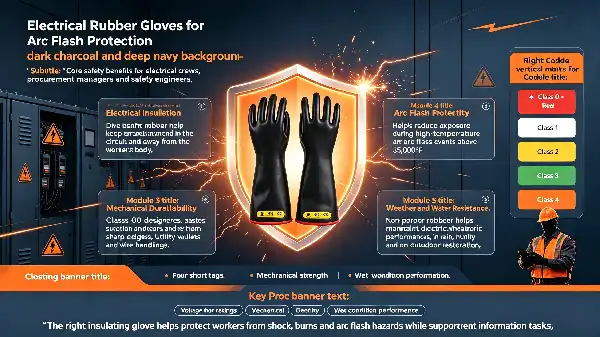
Maintaining and Testing Electrical Rubber Gloves to Ensure Safety
Even premium insulating gloves require disciplined maintenance protocols to sustain their protective capabilities throughout their service life. Testing and care practices directly impact worker safety outcomes and return on PPE investments.
Mandatory Testing Intervals and Dielectric Verification
According to ASTM F496 and OSHA 1910.137 requirements, electrical rubber gloves undergo testing every six months after issue to active service. If gloves remain in storage, they cannot be issued to workers if testing exceeds 12 months. This dielectric testing involves inflating gloves and submerging them in water while applying voltage to detect any current leakage, indicating insulation breakdown. Testing facilities must maintain calibrated equipment and detailed records documenting each glove's test history. Procurement managers should verify that suppliers provide testing documentation and understand retest scheduling requirements before issuing equipment.
Visual Inspection Protocols Before Each Use
Workers perform pre-use inspections searching for visible damage that compromises protection. The inspection process involves stretching the glove to examine for cracks, cuts, punctures, embedded foreign objects, or texture changes indicating ozone damage or ultraviolet degradation. Particular attention focuses on fingertips, stress points between fingers, and cuff areas where flexing concentrates mechanical wear. Any questionable glove gets removed from service immediately and tagged for testing or disposal. This daily discipline catches developing problems before they create shock hazards.
Proper Storage Extends Glove Lifespan
Storage conditions profoundly impact insulating glove longevity. Gloves stored in cool, dark, dry environments away from steam pipes, direct sunlight, and ozone-generating equipment maintain their physical properties significantly longer than those exposed to degrading conditions. Canvas bags provide ideal storage, preventing compression or folding that creates stress cracks. Never store gloves inside out or while damp, as moisture trapped against rubber accelerates material breakdown. Dedicated storage cabinets positioned away from windows and heat sources optimize glove preservation.
Cleaning Procedures Preventing Material Degradation
Contamination from oils, solvents, greases, and chemicals can attack rubber compounds, reducing dielectric strength. Regular cleaning with mild soap and water removes contaminants before they penetrate the material. Gloves require thorough drying before storage, as residual moisture promotes mold growth and material softening. Harsh cleaning agents, petroleum-based products, and abrasive scrubbing damage the rubber surface and should be avoided. Simple, consistent cleaning habits dramatically extend serviceable glove life.
Recognizing Replacement Indicators
Even with proper care, gloves eventually reach end-of-life requiring retirement. Visible indicators include surface cracks, discoloration indicating chemical attack or UV damage, stiffening or excessive softening compared to original texture, and test failures during dielectric verification. Smart procurement programs maintain adequate inventory buffers, ensuring immediate replacement glove availability when inspection or testing removes units from service. This proactive approach prevents workers from continuing to use compromised equipment due to the unavailability of replacements.
If you're evaluating personal protective equipment suppliers and require batch-specific testing documents before placing an order, PPE MAX is able to provide official Certificates of Analysis, professional laboratory test reports, and product samples for your verification. Feel free to contact our team at marketing@ppemax.com to discuss your sourcing needs and obtain complete documentation for your quality assessment and procurement approval.
Choosing the Right Electrical Rubber Gloves for Your Arc Flash Team
Selection decisions carry significant consequences for both worker safety and operational efficiency. Systematic evaluation of voltage requirements, fit characteristics, and supplier capabilities leads to optimal outcomes.
Matching Voltage Ratings to Task Requirements
The fundamental selection criterion involves identifying the maximum voltage exposures workers encounter. Underrated gloves provide false security, while excessive ratings reduce dexterity unnecessarily. Detailed job hazard analysis documents voltage levels at each work location, enabling precise class specification. Facilities with multiple voltage zones may require different glove classes for various areas, necessitating clear labeling and inventory management systems. When voltage uncertainty exists, conservative selection favoring higher-rated gloves provides an additional safety margin.
Sizing Impact on Safety and Performance
Properly fitted gloves balance protection with functionality. Gloves too large allow excessive material bunching, reducing grip security and creating snagging hazards. Undersized gloves stretch excessively during use, accelerating wear and limiting finger mobility. Manufacturers provide sizing charts correlating hand measurements to glove dimensions. Procurement teams should facilitate proper sizing assessments during initial equipment issues and provide size variety accommodating workforce diversity. The modest cost of maintaining multiple sizes pales compared to productivity losses from poor-fitting equipment.
Evaluating Suppliers and Certifications
Due diligence in supplier selection protects organizations from substandard equipment. Reputable manufacturers maintain ISO 9001 quality management systems, operate accredited testing laboratories, and provide complete certification documentation with each shipment. At PPE MAX, our heritage since 1956 reflects an unwavering commitment to quality standards that have protected workers across 134 countries. Procurement managers should request test reports, verify certification authenticity, and assess supplier responsiveness to technical questions. Long-term supplier relationships built on transparency and reliability deliver consistent equipment quality.
Bulk Purchasing Considerations for B2B Buyers
Organizations managing large workforces and complex safety requirements benefit from establishing strategic supplier partnerships. Bulk purchasing agreements provide cost advantages while ensuring supply continuity. However, price alone shouldn't drive decisions—factors like minimum order quantities aligning with consumption patterns, lead times supporting inventory turnover, customization options for branding or packaging, and technical support availability add substantial value. Suppliers offering comprehensive solutions, including glove bags, testing services, and compliance documentation, streamline program administration.
Real-World Applications and Case Studies of Electrical Rubber Gloves in Arc Flash Safety
Examining practical applications demonstrates how insulating gloves function within comprehensive safety systems across diverse industrial environments.
Electric Utility Distribution and Transmission Work
Electrical utilities have a lot of infrastructure that has to be regularly checked, maintained, and repaired. Line workers often work on live conductors when up on poles or in bucket trucks. Class 2 and Class 3 gloves protect these workers from the 7,500 to 26,500 volts typically present in distribution networks. Gloves complete the protective outfit when paired with arc-rated apparel, face shields, and insulated tools, allowing safe energised work. Utilities that monitor incident rates routinely find a strong correlation between a glove program and a meaningful decrease in electrical injuries.
Manufacturing Facility Maintenance Operations
Industrial facilities depend on complicated electrical systems for manufacturing equipment, HVAC infrastructure, and process controls. Maintenance staff troubleshoot motor control centers, repair variable frequency drives, and service automated systems when total shutdowns result in severe disruption to production schedules. Class 0 and Class 1 gloves let technicians safely do diagnostic work and small repairs on energised 480-volt equipment. Facilities with robust electrical safety protocols, including correct glove usage, lockout/tagout procedures, and arc flash labelling, report significant savings in lost work time and worker compensation claims.
Electric Vehicle Service and Battery Maintenance
The move to electric cars poses new electrical risks that need specialised protection. EV battery packs run at voltages of 400 to 800 volts DC and provide a major shock hazard during service operations. Automotive technicians wear class 00 insulating gloves while removing high-voltage battery systems, servicing inverters, and handling orange-coded high-voltage wiring. The small design of the gloves is crucial in tight engine compartments where room is limited and component density requires precise hand motions. Training programs that focus on the right glove selection for EV servicing may help decrease technician injuries and enhance optimal repair results.
Smart Meter Installation and Utility Fieldwork
Utility modernisation efforts, including smart meters, need thousands of meter change-outs each year. Field techs work on residential and commercial services, normally rated at 240 volts but sometimes running into 480-volt business installations. Class 00 gloves provide the right protection while yet providing the dexterity required for handling tiny meter locking rings, terminal connectors, and communication modules. The gloves are flexible enough for personnel to handle tablets and diagnostic equipment without removing protective gear, providing continuous safety coverage during installation.
Conclusion
Rubber electrical rubber gloves are a must-have safety tool for arc flash teams in utilities, manufacturing, construction, and growing industries like electric car servicing. What does this mean? Such wide-ranging advantages as better electrical insulation, mechanical durability, the right flexibility for the job, weather resistance, and compliance assistance may immediately result in fewer accidents, more productivity, and a sustainable safety culture. By using the right voltage exposures, disciplined maintenance procedures, and smart supplier relationships, you maximise protection while optimising total cost of ownership. “Companies that take insulating glove quality seriously do so in a way that is felt throughout the enterprise, a concrete commitment to worker well-being.”
FAQ
1. How often do electrical rubber gloves require testing?
ASTM F496 and OSHA 1910.137 mandate electrical testing every six months once gloves enter active service. Gloves in storage cannot be issued if testing exceeds 12 months from the last verification date. This dielectric testing ensures gloves maintain their insulating properties and identifies hidden defects before they compromise worker safety. Beyond scheduled testing, gloves showing any visible damage or exposure to harsh conditions require immediate retesting before returning to service.
2. What distinguishes Class 0 from Class 2 insulating gloves?
Class 0 gloves protect against maximum voltages of 1,000 volts AC, suitable for low-voltage utility work, EV battery service, and control circuit maintenance. Class 2 gloves handle up to 17,000 volts AC, designed for distribution line work and medium-voltage equipment. The voltage rating difference directly correlates with insulation thickness—Class 2 gloves measure thicker, reducing tactile sensitivity compared to Class 0. Selection depends entirely on the specific voltage exposures workers encounter during their tasks.
3. Can insulating rubber gloves be used in wet conditions?
Quality electrical rubber gloves maintain their dielectric properties when wet, enabling safe use during precipitation or in humid environments. The non-porous rubber surface prevents water absorption that could create conductive pathways. This waterproofing capability proves essential for utility field work, outdoor substation maintenance, and emergency restoration operations where environmental conditions remain beyond workers' control. Even so, gloves must be thoroughly dried before storage to prevent material degradation.
Partner with PPE MAX for Certified Electrical Rubber Gloves
Procurement managers and safety engineers seeking a trusted electrical rubber gloves supplier will find comprehensive solutions at PPE MAX. Our heritage spanning from 1956 has established us as Northwest China's largest PPE manufacturer, delivering proven insulating protection across 134 countries worldwide. We offer complete product portfolios from Class 00 through Class 4, all certified to ASTM D120, IEC 60903, and EN 60903 standards with full testing documentation supporting your compliance requirements. Bulk purchasing programs provide competitive pricing while our OEM capabilities enable customized solutions matching your specific operational needs. Contact our team at marketing@ppemax.com to discuss voltage requirements, sizing parameters, and delivery schedules tailored to your global operations. We stand ready to protect your arc flash teams with equipment trusted by industries worldwide.
References
1. National Fire Protection Association. (2021). NFPA 70E: Standard for Electrical Safety in the Workplace. Quincy, MA: NFPA Publications.
2. American Society for Testing and Materials. (2019). ASTM D120-19: Standard Specification for Rubber Insulating Gloves. West Conshohocken, PA: ASTM International.
3. Occupational Safety and Health Administration. (2020). 29 CFR 1910.137: Electrical Protective Equipment Standards. Washington, DC: U.S. Department of Labor.
4. International Electrotechnical Commission. (2018). IEC 60903: Live Working - Gloves of Insulating Material. Geneva, Switzerland: IEC Publications.
5. Jones, R.A., & Phillips, M.T. (2020). Arc Flash Hazard Analysis and Mitigation: A Comprehensive Guide for Electrical Safety Professionals. Boca Raton, FL: CRC Press.
6. Institute of Electrical and Electronics Engineers. (2018). IEEE 1584: Guide for Performing Arc-Flash Hazard Calculations. Piscataway, NJ: IEEE Standards Association.
Learn about our latest products and discounts through SMS or email