- English
- French
- German
- Portuguese
- Spanish
- Russian
- Japanese
- Korean
- Arabic
- Greek
- German
- Turkish
- Italian
- Danish
- Romanian
- Indonesian
- Czech
- Afrikaans
- Swedish
- Polish
- Basque
- Catalan
- Esperanto
- Hindi
- Lao
- Albanian
- Amharic
- Armenian
- Azerbaijani
- Belarusian
- Bengali
- Bosnian
- Bulgarian
- Cebuano
- Chichewa
- Corsican
- Croatian
- Dutch
- Estonian
- Filipino
- Finnish
- Frisian
- Galician
- Georgian
- Gujarati
- Haitian
- Hausa
- Hawaiian
- Hebrew
- Hmong
- Hungarian
- Icelandic
- Igbo
- Javanese
- Kannada
- Kazakh
- Khmer
- Kurdish
- Kyrgyz
- Latin
- Latvian
- Lithuanian
- Luxembou..
- Macedonian
- Malagasy
- Malay
- Malayalam
- Maltese
- Maori
- Marathi
- Mongolian
- Burmese
- Nepali
- Norwegian
- Pashto
- Persian
- Punjabi
- Serbian
- Sesotho
- Sinhala
- Slovak
- Slovenian
- Somali
- Samoan
- Scots Gaelic
- Shona
- Sindhi
- Sundanese
- Swahili
- Tajik
- Tamil
- Telugu
- Thai
- Ukrainian
- Urdu
- Uzbek
- Vietnamese
- Welsh
- Xhosa
- Yiddish
- Yoruba
- Zulu
Why Upgrade to a Full Mask Respirator for Chemicals?
Founded in 1956, PPEMAX stands as a premier global manufacturer and supplier of full-range personal protective equipment. All our products comply with internationally recognized standards including IEC, ASTM, CE, UKCA, NIOSH and ISO9001. Equipped with a 2,000-square-meter modern production plant, we boast over 25 years of mature OEM & ODM capabilities to deliver one-stop customized solutions covering R&D design through worldwide logistics. Our safety gear is distributed across 134 countries globally. Upholding our core tenet “Safety First, Quality Priority”, we serve as a dependable long-term PPE partner for industrial enterprises around the world.
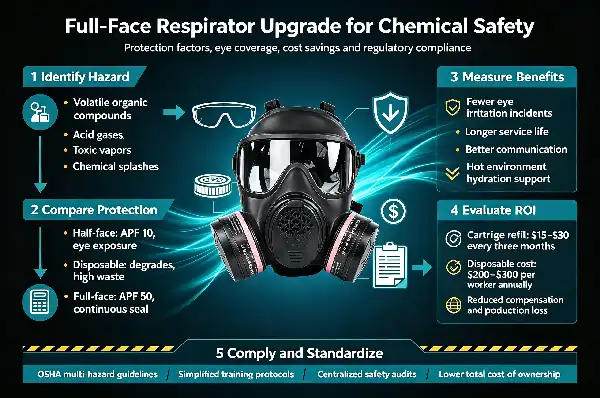
Upgrading to a full-face respirator for chemical environments is essential because it offers comprehensive facial coverage, protecting your Full Mask Respirator system and eyes simultaneously. Unlike half-face models that leave ocular areas vulnerable, a full-face respirator creates a continuous seal around the entire face, achieving an Assigned Protection Factor of 50 in negative pressure mode. This advanced design addresses critical safety gaps when workers handle volatile organic compounds, acid gases, or toxic vapors, ensuring regulatory compliance and significantly reducing workplace injury rates tied to chemical exposure.
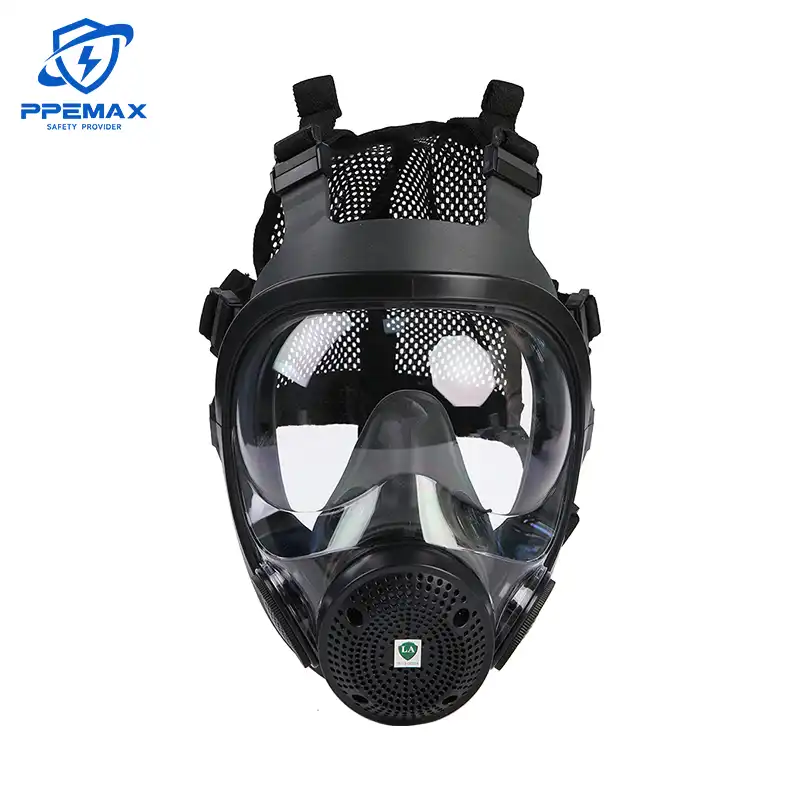
| Parameter | Specification |
|---|---|
| Material | High-grade lightweight silicone |
| Lens | Impact-resistant scratch-proof PC lens |
| Field of View | 88% panoramic vision |
| Mask Style | Full-face gas mask |
| Connector | Dual 40mm NATO RD bayonet port |
| Protection Class | Class 2 standard |
| Inward Leakage | ≤0.03% |
| Head Harness | 6-point high-tenacity nylon mesh, adjustable |
| Exhalation Valve | Low-resistance design |
| Compatible Filters | A2B2E2K2P3 RD NATO canister filters & all 40mm NATO series |
Why Upgrade? Limitations of Traditional Respiratory Protection for Chemical Hazards
Many businesses still use half-face respirators or throwaway filtering facepieces, even though they don't know how inadequate they are for protecting workers in chemically active settings.
Inherent Vulnerabilities of Half-Face Designs
Half-face full-mask respirators leave the eyes open to chemical splashes and vapors, so they need their own safety masks that block out interference zones. This method of using two sets of gear creates compatibility issues because the goggle straps get in the way of the mask edges, damaging facial seals and letting germs escape. Spray painters say that solvent mists settle on the surfaces of their goggles, making it hard to see and requiring frequent breaks to clean the lenses.
Due to their smaller covering surface area, half masks only get APF 10 ratings, while full-face masks get APF 50 ratings, which is a fivefold difference in how well they protect. When you speak or breathe deeply while working out, your jaw moves, leaving tiny gaps along your cheek seals. When these seals fail in chemical working areas where the levels of ammonia or formaldehyde change, there are serious risks.
Even less safety is provided by disposable respirators. During shifts, their rubber straps lose their shape, and the sweat from their lungs damages the filter media. These one-time-use things create large amounts of waste and ongoing purchasing costs that add up over large groups of workers.
Measurable Advantages of Complete Facial Coverage
Companies that switch to full facial protection report real improvements in how they do business. A painting shop in the Midwest saw a 73% drop in incidents of eye irritation after switching its 200-person staff from half-face models to full-face units. Workers were able to keep working throughout their shifts without stopping to flush their eyes or get medical attention.
Longer Service Life and Lower Costs: Respiratory protection that can be used more than once and has parts that can be replaced turns it from a disposable expense into long-lasting capital equipment. When taken care of properly, PPE MAX masks can last for five years or more of daily workplace use. Filter cartridge refill costs about $15 to $30 every three months per worker, which is a lot less than the $200 to $300 a year that each person spends on throwaway respirators.
Increased Communication: Integrated speech diaphragms send sound clearly without taking off the mask. Manufacturing managers give directions over noisy production floors while keeping everyone safe at all times. Our extra drinking tube ports let you stay hydrated for long periods of time in hot places without breaking the seal around your face.
Comprehensive Regulatory Compliance: Single-device solutions make training protocols and audits of safety equipment easier. Industrial hygiene tests show that full-face protection meets OSHA multi-hazard exposure guidelines when there are risks to both the eyes and the lungs, which is common in petroleum plants and pharmaceutical processing operations.
Real-World Validation from Chemical Processing Sectors
Full-face respirators were used to clean reactors by a European chemical distributor with 1,200 employees spread out across several facilities. Based on their safety measures, the number of chemical exposure incidents dropped by 89% over 24 months. This saved them $340,000 because they had fewer workers' compensation claims and output problems. Investing in better equipment paid for itself within 14 months just by keeping people from getting hurt.
These results show that choices to upgrade have a measurable return on investment that goes beyond just following the rules. When budgets are limited and safety requirements must be met, procurement teams find that full defense lowers the total cost of ownership over the equipment's many years of use.
How to Choose the Right Full-Face Respirator for Chemical Protection
To choose the right breathing protection, you need to carefully look at the dangers in the workplace, the needs of the job, and the long-term support infrastructure.
Conducting Hazard Assessment and Exposure Analysis
Start by testing the air quality thoroughly and writing down the types of contaminants, their concentrations, and the lengths of time they were exposed. To find the Permissible Exposure Limits for each chemical present, industrial hygienists should compare time-weighted means. In coating operations, organic vapor monitors find high levels of solvents, and in metal etching, direct-reading instruments find high levels of acid gas.
Find times when exposure is highest, like when the reactor opens, when the tank is cleaned, or when a spill happens and needs to be cleaned up. These are the times when concentrations rise above the time-weighted means. These immediate dangers decide the level of protection needed and steer cartridge selection toward larger choices.
Defining Technical Procurement Specifications
Material Durability Requirements: Silicone facepieces are better at resisting damage from chemicals made from petroleum than rubber ones. Our PPE MAX silicone stays flexible at temperatures ranging from -40°C to +60°C, which is important for workers who move between cold storage areas and hot production areas.
Filter Compatibility and Availability: Standardized bayonet fittings make it possible to get cartridges from more than one approved source for Full Mask Respirator systems, which keeps you from getting stuck with one vendor. Check to see if replacement filters are still easy to get through known routes of distribution with solid wait times.
Maintenance Accessibility: Designs that make it possible to take things apart in the field and clean them without special tools make operations easier in the long run. Our 5-point harness systems can quickly change to different head sizes, which is very important in shift-work settings where tool pools are shared.
Important Things to Think About When Buying in Bulk: When you buy in bulk from makers who offer OEM customization, you can get private labeling and packing that fit the needs of your distributor brand. For orders over 500 units, PPE MAX offers custom labeling services that help distributors differentiate their products in the market.
Evaluating Manufacturer Capabilities and Support Infrastructure
Partner selection goes beyond product specs to include factors like how reliable the provider is. Our history of manufacturing since 1956 shows that we have been dedicated to the lung protection market for a long time. Our world supply system goes through 134 countries, so we can always get what we need, no matter where it's bought.
Respiratory protection experts who work in technical support hotlines can help with fit testing protocols, maintenance schedules, and choosing the right cartridges for new chemical exposures. Training programs, which can be given on-site or online, make sure that workers know how to do seal checks and the wearing process. With these value-added services, suppliers stop being transactional vendors and become strategic safety partners.
If you're evaluating personal protective equipment suppliers and require batch-specific testing documents before placing an order, PPE MAX is able to provide official Certificates of Analysis, professional laboratory test reports, and product samples for your verification. Feel free to contact our team at marketing@ppemax.com to discuss your sourcing needs and obtain complete documentation for your quality assessment and procurement approval.
Proper Usage and Maintenance of Full-Face Respirators
The effectiveness of equipment depends on both how it is used and how it is designed. Structured training and repair procedures are used by organizations that get the best safety results.
Donning Procedures and Fit Verification
To put on the mask correctly, first loosen all of the harness straps and then put your chin in the facepiece cup. Pull the head harness over the crown, and then tighten the straps one by one, starting with the lower neck straps and working your way up to the temple and crown straps. This process spreads the closing pressure out evenly around the edge of the face.
Positive pressure user seal checks make sure there are no leaks. To do this, cover the exhaling valve, gently let out air, and make sure that the facepiece inflates a little without air leaving at the edges of the seal. For negative pressure checks, the cartridge inlets must be covered, the user must gently inhale, and it must be confirmed that the facepiece falls slightly against the face without air moving inward.
Common fitting mistakes include making the upper straps too tight, which can hurt the face, and making the lower straps too loose, which can let the chin seal gaps form. If your facial hair is longer than 2 mm, it stops the seal from working properly. Quantitative fit testing shows that stubble makes leak paths that get around filtration systems.
Routine Inspection and Cleaning Protocols
Check the valves for dirt buildup or warping after each use. Also, check the facepiece for cracks or tears and make sure the lens is clear and the anti-fog coating is still in good shape. Avoid using petroleum-based solvents to clean facepieces because they break down elastomer materials. Instead, use warm water and a mild detergent. When properly cleaned, our surfaces are easy to clean and don't let germs grow.
Keep respirators that have been cleaned in tight bags out of direct sunlight and away from big changes in temperature. UV light breaks down silicone, making it less flexible and threatening the stability of the seal. Dedicated storage cabinets with inventory tracking systems make sure that everyone who works with a lot of equipment is responsible for it.
Component Replacement Schedules for Extended Service Life
Particulate pre-filters should be replaced when breathing becomes more difficult or when the manufacturer's recommended time limit is up, which is usually between 30 and 60 days in moderate dust environments. Chemical cartridges need to be replaced when they reach a peak level, which can be detected by smell, taste, or eye pain. Manufacturers provide tables that estimate the service life of their products by linking the cartridge's capacity to the concentration of contaminants and the work-rate breathing volumes.
Our inventory of replacement parts for PPE MAX includes full valve assemblies, lens assemblies, and head harness kits that can be bought from distributors and are guaranteed to arrive the same week. This availability of parts ensures that equipment works for as long as it's supposed to, instead of having to be replaced early because of small problems with parts.
Conclusion
Moving from basic full-face respirator protection to full-face covering is a smart investment in the safety of workers and the quality of operations. When you wear a full-face respirator, you don't have to worry about the important problems that come with half-face designs, like the risk of eye contact and poor sealing during chemical handling. When companies use these newer systems, they report a clear drop in injuries, workers' compensation costs, and problems with productivity.
Because PPE MAX has been making things for 68 years, buying teams can trust us to help them make tough choices about respiratory protection. By choosing certified tools with strong technical support and dependable supply lines, you can protect your employees and lower long-term costs. There is proof that complete protection gives a better return on investment by preventing injuries and maintaining better operating continuity in the chemical processing, pharmaceutical manufacturing, and industrial painting sectors.
FAQ
1. Do Full-Face Respirators Protect Against All Chemical Hazards?
There isn't a single respirator that can protect against all chemicals. Protection depends on matching the right type of cartridge to the contaminants that are present. Organic vapor filters are good at getting rid of hydrocarbon solvents, but they don't protect against carbon monoxide or other gases that don't have the ability to adsorb. When there isn't enough oxygen in the air or when there are chemicals in the air that are too strong for a filter cartridge to handle, supplied air systems or self-contained breathing equipment are needed. By doing the right risk estimates, you can find out if air-purifying respirators are enough or if atmosphere-supplying systems are needed for certain tasks.
2. What Distinguishes Full-Face Respirators from Gas Masks?
Gas masks are military-grade gear made to protect against warfare agents. They have special filter tanks and often voice transmission systems built in. Full-face respirators for the workplace protect against chemical exposures at levels common in processing and industrial settings. Broad-spectrum adsorbents are used in gas mask filters to target nerve agents and blister agents, while industrial cartridges are designed to work best with certain chemicals found in the workplace. Military specifications and NIOSH/EN workplace standards are two different types of regulatory frameworks. These differences are reflected in the prices: industrial respirators are priced fairly for business purchases, while gas masks are priced more highly for specific defense uses.
3. How Often Should Filters Be Replaced in Industrial Chemical Settings?
When to replace the cartridge depends on the amount of contamination, how long it was exposed to it, and its volume. In places with 100 to 200 ppm solvent concentrations, most organic vapor cartridges last between 40 and 60 hours. Higher concentrations shorten service life by the same amount. Setting cartridge change plans based on total exposure hours is a good way to keep track of replacements. Some cartridge designs have end-of-service-life markers that show saturation through color change or other visual cues. This takes the guessing out of replacing the cartridge and makes sure that it works reliably all the time.
Partner with PPE MAX for Certified Respiratory Protection Solutions
PPE MAX offers full breathing protection systems that are designed to meet the needs of the chemical business. As a reliable full-mask respirator maker since 1956, we offer an excellent manufacturing experience and a global supplier network that covers 134 countries. Our goods are certified by NIOSH, EN 136, and AS/NZS, which means they meet the strict safety standards your purchase requires.
Our technical team offers personalized advice to help you choose the best Full Mask Respirator equipment for your chemical exposures, whether you need bulk orders for a large industrial workforce or OEM customization for distributor branding. We help you reach your safety goals by providing training programs, new parts that are easy to find, and quick expert support. Get in touch with our purchasing experts at marketing@ppemax.com to talk about your needs for breathing safety.
References
1. National Institute for Occupational Safety and Health. "NIOSH Guide to the Selection and Use of Particulate Respirators." Publication No. 96-101, Department of Health and Human Services, 2019.
2. Occupational Safety and Health Administration. "Respiratory Protection Standard 29 CFR 1910.134: Compliance Guidelines for General Industry." U.S. Department of Labor, 2020.
3. European Committee for Standardization. "EN 136:1998 Respiratory Protective Devices - Full Face Masks - Requirements, Testing, Marking." CEN Technical Standards, Brussels, 2018.
4. American National Standards Institute. "ANSI Z87.1-2020: Occupational and Educational Personal Eye and Face Protection Devices." American National Standards Institute, New York, 2020.
5. Canadian Centre for Occupational Health and Safety. "Respirator Selection Guide for Chemical Hazards in Industrial Workplaces." CCOHS Publication Series, Hamilton, Ontario, 2021.
6. International Safety Equipment Association. "Best Practices for Respiratory Protection Programs in Chemical Processing Industries." ISEA Technical Report 2019-03, Arlington, Virginia, 2019.
Learn about our latest products and discounts through SMS or email