- English
- French
- German
- Portuguese
- Spanish
- Russian
- Japanese
- Korean
- Arabic
- Greek
- German
- Turkish
- Italian
- Danish
- Romanian
- Indonesian
- Czech
- Afrikaans
- Swedish
- Polish
- Basque
- Catalan
- Esperanto
- Hindi
- Lao
- Albanian
- Amharic
- Armenian
- Azerbaijani
- Belarusian
- Bengali
- Bosnian
- Bulgarian
- Cebuano
- Chichewa
- Corsican
- Croatian
- Dutch
- Estonian
- Filipino
- Finnish
- Frisian
- Galician
- Georgian
- Gujarati
- Haitian
- Hausa
- Hawaiian
- Hebrew
- Hmong
- Hungarian
- Icelandic
- Igbo
- Javanese
- Kannada
- Kazakh
- Khmer
- Kurdish
- Kyrgyz
- Latin
- Latvian
- Lithuanian
- Luxembou..
- Macedonian
- Malagasy
- Malay
- Malayalam
- Maltese
- Maori
- Marathi
- Mongolian
- Burmese
- Nepali
- Norwegian
- Pashto
- Persian
- Punjabi
- Serbian
- Sesotho
- Sinhala
- Slovak
- Slovenian
- Somali
- Samoan
- Scots Gaelic
- Shona
- Sindhi
- Sundanese
- Swahili
- Tajik
- Tamil
- Telugu
- Thai
- Ukrainian
- Urdu
- Uzbek
- Vietnamese
- Welsh
- Xhosa
- Yiddish
- Yoruba
- Zulu
How Do You Choose the Right Insulating Gloves Supplier?
Founded in 1956, PPEMAX stands as a premier global manufacturer and supplier of full-range personal protective equipment. All our products comply with internationally recognized standards including IEC, ASTM, CE, UKCA, NIOSH and ISO9001. Equipped with a 2,000-square-meter modern production plant, we boast over 25 years of mature OEM & ODM capabilities to deliver one-stop customized solutions covering R&D design through worldwide logistics. Our safety gear is distributed across 134 countries globally. Upholding our core tenet “Safety First, Quality Priority”, we serve as a dependable long-term PPE partner for industrial enterprises around the world.
The right insulating gloves supplier depends on five key factors: ASTM D120 and IEC 60903 certification, proven manufacturing consistency across high-volume orders, transparent quality testing protocols, responsive technical support for safety audits, and flexible logistics for urgent procurement needs. Suppliers must have electrical protection market knowledge, provide thorough product documentation, including dielectric test results, and adapt solutions to your voltage needs. The right partner combines decades of manufacturing experience with worldwide distribution to provide dependable electrical hazard prevention that meets regulatory requirements while retaining operational efficiency and budget alignment.
|
Parameter |
Type I (Natural Rubber) |
Type II (Synthetic/EPDM) |
|
Maximum Use Voltage |
500V AC / 750V DC |
500V AC / 750V DC |
|
Proof Test Voltage |
2,500V AC / 10,000V DC |
2,500V AC / 10,000V DC |
|
Maximum Thickness |
0.75mm (30 mils) |
0.75mm (30 mils) |
|
Length Options |
11-14 inches |
11-14 inches |
|
Color Code |
Beige Label |
Beige Label |
|
Temperature Range |
Standard |
Extended (-25°C to +55°C) |
|
UV/Ozone Resistance |
Standard |
Enhanced |
Core Metrics for Evaluating Insulating Gloves Suppliers
Beyond price comparisons, supplier evaluation needs structure. Our approach evaluates manufacturing, quality, and service infrastructure to find partners that can support enterprise-scale safety initiatives.
Manufacturing Quality and Certification Verification
Suppliers with ISO 9001-certified quality management systems are legitimate. Dielectric breakdown testing at voltages above rated specs should be done on every manufacturing lot. Request batch testing methodologies. PPE MAX tests each glove pair for electrical resistance, tracking test results with serial numbers.
Quality is objectively validated by accredited testing labs for insulating gloves. Find collaborations with UL, CSA, or other national factory inspection agencies. Suppliers that won't release third-party test results or certification documents create product authenticity concerns.
Product Portfolio Depth and Customization Capabilities
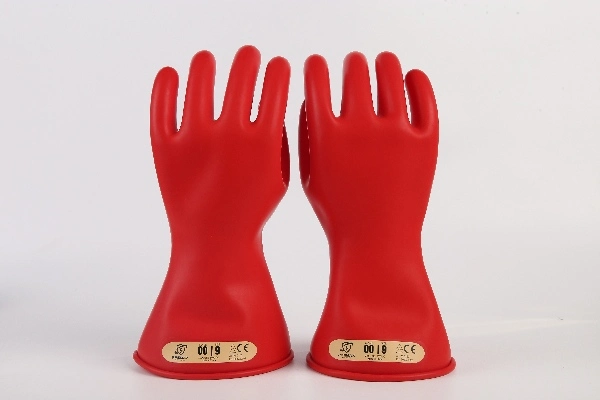
Comprehensive catalogues show manufacturing diversity and commercial expertise. Beyond normal voltage classes, check for cuff lengths, colour-coding systems that fit your safety regulations, and chemical exposure formulas. Our Class 00 range comes in red and black, offering visual identification solutions that promote safety on varied working sites.
Packaging options for your distribution model may be customised. Central warehouse bulk shipments need distinct configurations from job-site kitting. Our standard packaging (54.5×35×42.5cm, 1 pair per box, 20 pairs per carton) optimises container loading efficiency and protects items during international shipment. Our custom labelling and documentation insertion services ease receiving and compliance record-keeping.
Pricing Transparency and Volume Scalability
Competitive pricing should provide volume breakpoints and contract conditions. Avoid providers providing prices below market averages—cost reduction sometimes compromises quality control or uses poorer raw materials. Request thorough quotes with material grades, testing processes, and dielectric failure warranties.
Pricing stability protects long-term relationships against raw material instability. Negotiate yearly volume contracts with graded discount levels and flexibility provisions for project-driven demand changes. Our procurement specialists negotiate capital budget cycles and seasonal labour changes with buyers.
Global Logistics and Supply Chain Reliability
For international operations, suppliers must have cross-border fulfilment experience. Look for regional distribution facilities near your facility networks to save lead times and emergency replenishment expenses. We have logistical agreements in 134 countries to quickly respond to safety equipment demands after damage or workforce growth.
Accurate shipping paperwork eliminates project-stalling customs delays. Standard practice for suppliers is to supply comprehensive conformity certifications, MSDSs, and country-specific import papers. Our export department keeps up with key market electrical safety product import laws to ensure compliance documentation with every foreign shipment.
After-Sales Support and Technical Resources
Continuous supplier connections demand technical assistance. Check whether vendors give product training on inspection, storage, and service life indications. Providing complete OSHA 29 CFR 1910.137 compliance training modules helps safety managers develop efficient glove maintenance programs.
Addressing field issues requires responsive customer service. Provide transparent communication with specialised account reps who understand your operations. Our technical support hotline links customers with engineers who can solve application-specific issues and offer product setups for difficult applications.


If you're evaluating personal protective equipment suppliers and require batch-specific testing documents before placing an order, PPE MAX is able to provide official Certificates of Analysis, professional laboratory test reports, and product samples for your verification. Feel free to contact our team at marketing@ppemax.com to discuss your sourcing needs and obtain complete documentation for your quality assessment and procurement approval.
Comparing Insulating Gloves: Market-Leading Brands and Solutions
The electrical protection market features established manufacturers with decades of proven performance. Honeywell, Salisbury, Ansell, and 3M have built reputations through consistent quality and innovation, though emerging suppliers increasingly challenge incumbents by combining competitive pricing with modern manufacturing techniques.
Performance Differentiation Across Protection Classes
Class 00 products from PPE MAX balance essential protection with exceptional dexterity. Our gloves weigh approximately 170 grams per pair—light enough for all-day wear without hand fatigue, yet substantial enough to withstand mechanical stress from tool handling. The 0.5mm average thickness maintains high tactile sensitivity, allowing technicians to identify wire gauges by touch and manipulate small terminals without removing gloves.
Durability testing reveals performance distinctions often insulating gloves in specification sheets. Resistance to ozone cracking determines shelf life and field longevity—gloves stored in areas with electrical equipment generating ozone require formulations specifically stabilized against oxidative degradation. Our natural rubber latex compound includes ozone-resistant additives, extending usable life even in challenging storage conditions.
Testing Protocols and Quality Assurance
Leading suppliers implement testing regimens exceeding minimum regulatory requirements. Beyond mandatory dielectric breakdown tests, comprehensive programs include tensile strength verification, puncture resistance assessment, and accelerated aging studies predicting long-term performance. PPE MAX conducts environmental exposure testing simulating years of typical field conditions, validating that gloves maintain protective properties throughout their rated service life.
User training programs amplify product value by ensuring proper application. We've observed that equipment failure investigations frequently trace root causes to incorrect glove selection or improper inspection procedures rather than manufacturing defects. Suppliers offering end-user education—covering leather protector pairing, visual inspection criteria, and in-service testing schedules—contribute to overall workplace safety beyond simply delivering products.

If you're evaluating personal protective equipment suppliers and require batch-specific testing documents before placing an order, PPE MAX is able to provide official Certificates of Analysis, professional laboratory test reports, and product samples for your verification. Feel free to contact our team at marketing@ppemax.com to discuss your sourcing needs and obtain complete documentation for your quality assessment and procurement approval.
Practical Steps to Choose Your Insulating Gloves Supplier
Systematic procurement processes reduce risk and optimize resource allocation. Begin by documenting precise requirements aligned with your organization's electrical safety program and budgetary constraints.
Requirements Definition and Budget Alignment
Comprehensive specifications should detail voltage exposure levels across all facility locations, anticipated annual consumption volumes, and any specialized environmental factors like chemical exposure or extreme temperatures. Cross-reference these requirements against your safety policy mandates regarding inspection intervals and retirement criteria. Budget planning must account for total cost of ownership—including initial purchase, periodic testing expenses, and replacement cycles—rather than focusing solely on unit pricing.
Engage stakeholders from safety management, operations, and procurement early in the process. We've found that involving end users in product evaluation generates valuable insights regarding comfort, dexterity, and practical usability that paper specifications cannot capture. Their feedback during sample testing phases prevents the costly procurement of technically compliant products that workers find difficult to use consistently.
Supplier Audit and Sample Evaluation
Virtual or on-site facility tours reveal manufacturing capabilities and quality culture. Observe raw material storage conditions, production environment cleanliness, and testing equipment calibration protocols. Request demonstrations of electrical testing procedures and examine quality control documentation systems. PPE MAX welcomes customer audits at our manufacturing facility, recognizing that transparency builds the trust essential for long-term partnerships.
Sample testing programs allow hands-on evaluation before committing to bulk orders. Distribute samples to representative users across different job classifications and collect structured feedback on fit, flexibility, and grip characteristics. Conduct independent electrical resistance testing if your organization maintains suitable high-voltage test equipment—verifying supplier claims through your own measurements provides additional confidence.
Contract Negotiation and Terms Optimization
Effective agreements balance price competitiveness with supply security. Negotiate minimum order quantities against storage capacity constraints—excessive inventory ties up capital, while insufficient stock creates safety risks during supply disruptions. Include provisions addressing lead time commitments, partial shipment allowances, and expedited delivery options for emergency situations.
Return policies and defect remediation procedures require explicit definition. Establish clear criteria for rejecting non-conforming products and specify timeframes for supplier response and replacement. Our standard terms include rapid replacement of any gloves failing to meet specifications, with comprehensive root cause analysis provided to prevent recurrence.
Digital Procurement Integration
Modern purchasing workflows leverage e-commerce platforms and automated replenishment systems. Evaluate whether suppliers offer online catalogs with real-time inventory visibility, digital order tracking, and integration capabilities with your enterprise resource planning systems. We've developed web-based ordering tools enabling customers to schedule recurring shipments aligned with their consumption patterns, reducing administrative overhead while ensuring continuous availability.
Conclusion
Choosing the right supplier for electrical insulating gloves requires balancing technical specifications, supplier capabilities, and commercial considerations. Prioritize partners demonstrating verifiable certification compliance, transparent quality systems, and responsive support infrastructure. Successful procurement extends beyond initial purchase—sustainable safety programs depend on suppliers committed to ongoing education, reliable replenishment, and continuous product improvement. By systematically evaluating manufacturing expertise, logistics capabilities, and service responsiveness, procurement professionals establish partnerships that enhance workplace safety while optimizing operational costs and maintaining regulatory compliance across global operations.
FAQ
1. What voltage rating should I choose for my application?
Select glove classifications exceeding your maximum operational voltage by at least one class to provide a safety margin. Class 00 gloves rated for 500V AC are suitable for work on control circuits, instrumentation panels, and low-voltage distribution equipment. Always verify actual exposure levels through electrical hazard assessments rather than assuming nominal system voltages, as fault conditions and transient spikes may exceed normal operating parameters.
2. How frequently should electrical gloves undergo testing?
Industry standards recommend visual inspection before each use, checking for cuts, tears, embedded objects, and degradation signs like swelling or discoloration. Dielectric testing must occur every six months for gloves in regular service, with intervals potentially shortened to three months in demanding environments. Maintain detailed records documenting test dates, results, and inspector identification to satisfy regulatory audits and track product performance over time.
3. Can I mix glove brands across my inventory?
Maintaining a single-source supply for critical PPE ensures consistent protection levels and simplifies training. Different manufacturers employ varying rubber formulations, cuff designs, and sizing systems that may confuse workers and complicate inspection protocols. Standardizing on one supplier's product line reduces errors during glove selection and enables volume purchasing advantages while ensuring uniform quality across your workforce.
Partner with PPE MAX for Superior Electrical Protection
PPE MAX brings 68 years of manufacturing excellence to global electrical safety markets, combining rigorous quality standards with responsive customer service. Our Class 00 insulating gloves—certified to ASTM D120 and IEC 60903 specifications—deliver reliable protection for low-voltage applications across utilities, telecommunications, and industrial maintenance sectors. As a leading insulating gloves manufacturer serving 134 countries, we understand the diverse requirements of international procurement professionals managing complex safety programs. Contact our experienced team at marketing@ppemax.com to discuss your specific voltage protection needs, request technical specifications, or arrange sample evaluation. We offer competitive bulk pricing, customizable packaging solutions, and flexible shipping options supporting your operational timeline.
References
1. American Society for Testing and Materials. (2021). ASTM D120-20: Standard Specification for Rubber Insulating Gloves. ASTM International, West Conshohocken, PA.
2. International Electrotechnical Commission. (2019). IEC 60903: Live Working—Gloves of Insulating Material. IEC Central Office, Geneva, Switzerland.
3. Occupational Safety and Health Administration. (2020). OSHA 29 CFR 1910.137: Electrical Protective Equipment Standards. U.S. Department of Labor, Washington, DC.
4. National Fire Protection Association. (2021). NFPA 70E: Standard for Electrical Safety in the Workplace. NFPA, Quincy, MA.
5. Rubber Manufacturers Association. (2018). Guidelines for Selection and Use of Electrical Insulating Gloves in Industrial Applications. RMA Technical Committee Report, Washington, DC.
6. Institute of Electrical and Electronics Engineers. (2020). IEEE Guide for Testing and Application of Electrical Protective Equipment. IEEE Standards Association, Piscataway, NJ.
Learn about our latest products and discounts through SMS or email