- English
- French
- German
- Portuguese
- Spanish
- Russian
- Japanese
- Korean
- Arabic
- Greek
- German
- Turkish
- Italian
- Danish
- Romanian
- Indonesian
- Czech
- Afrikaans
- Swedish
- Polish
- Basque
- Catalan
- Esperanto
- Hindi
- Lao
- Albanian
- Amharic
- Armenian
- Azerbaijani
- Belarusian
- Bengali
- Bosnian
- Bulgarian
- Cebuano
- Chichewa
- Corsican
- Croatian
- Dutch
- Estonian
- Filipino
- Finnish
- Frisian
- Galician
- Georgian
- Gujarati
- Haitian
- Hausa
- Hawaiian
- Hebrew
- Hmong
- Hungarian
- Icelandic
- Igbo
- Javanese
- Kannada
- Kazakh
- Khmer
- Kurdish
- Kyrgyz
- Latin
- Latvian
- Lithuanian
- Luxembou..
- Macedonian
- Malagasy
- Malay
- Malayalam
- Maltese
- Maori
- Marathi
- Mongolian
- Burmese
- Nepali
- Norwegian
- Pashto
- Persian
- Punjabi
- Serbian
- Sesotho
- Sinhala
- Slovak
- Slovenian
- Somali
- Samoan
- Scots Gaelic
- Shona
- Sindhi
- Sundanese
- Swahili
- Tajik
- Tamil
- Telugu
- Thai
- Ukrainian
- Urdu
- Uzbek
- Vietnamese
- Welsh
- Xhosa
- Yiddish
- Yoruba
- Zulu
How to Choose Dielectric Gloves for Wind Turbine Work?
Founded in 1956, PPEMAX stands as a premier global manufacturer and supplier of full-range personal protective equipment. All our products comply with internationally recognized standards including IEC, ASTM, CE, UKCA, NIOSH and ISO9001. Equipped with a 2,000-square-meter modern production plant, we boast over 25 years of mature OEM & ODM capabilities to deliver one-stop customized solutions covering R&D design through worldwide logistics. Our safety gear is distributed across 134 countries globally. Upholding our core tenet “Safety First, Quality Priority”, we serve as a dependable long-term PPE partner for industrial enterprises around the world.
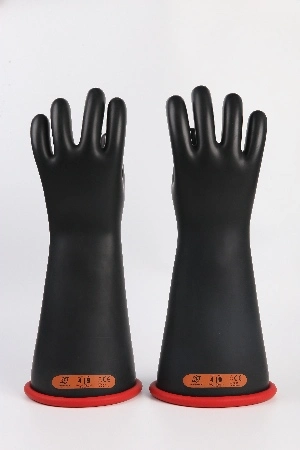
Selecting the appropriate dielectric gloves for wind turbine work involves aligning voltage class ratings with your electrical exposure levels, verifying compliance with ASTM D120 or IEC 60903 standards, and assessing material robustness against environmental elements such as UV exposure, temperature extremes, and moisture. Procurement teams should prioritize Class 00 through Class 4 gloves depending on operating voltage, ensuring certifications are current and vendors offer documented testing processes to assure worker safety during high-voltage maintenance operations.

|
Parameter |
Type I (Natural Rubber) |
Type II (Synthetic EPDM) |
|
Maximum Use Voltage (AC) |
36,000V |
36,000V |
|
Maximum Use Voltage (DC) |
54,000V |
54,000V |
|
Proof Test Voltage (AC) |
40,000V |
40,000V |
|
Proof Test Voltage (DC) |
70,000V |
70,000V |
|
Minimum Thickness |
3.0mm |
3.0mm |
|
Tensile Strength |
2,500 psi |
2,200 psi |
|
Temperature Range |
-25°C to +65°C |
-40°C to +70°C |
|
Available Sizes |
8, 9, 10, 11, 12 |
8, 9, 10, 11, 12 |
Understanding Dielectric Gloves and Their Role in Wind Turbine Work
How Electrical Insulation Protects Wind Turbine Technicians
Electrical insulating gloves are manufactured from rubber compositions designed to prevent current flow and offer a protective barrier. Technicians working on energised components inside nacelles or accessing electrical cabinets are protected by these gloves from generating electrical paths through the body to ground. The efficiency of insulation relies on the material it is made of, its thickness, and quality of manufacture. At PPE MAX, we inspect each batch of manufacturing since even tiny faults might endanger protection. Older wind turbine voltage systems are generally around 600 volts, whereas newer large-scale installations may be 35,000 volts, necessitating glove categories that are properly matched.
Key International Safety Standards Governing Dielectric Gloves
ASTM D120 continues to be the most widely used standard in North American markets, and classifies gloves from Class 00 (500 volts AC) to Class 4 (36,000 volts AC). IEC 60903 specifies identical international requirements that are often used in European and Asian wind energy projects. Both standards require extensive testing procedures including verification of dielectric strength, measurement of ozone resistance, and physical properties testing. Procurement managers should require certification evidence from vendors confirming compliance with appropriate standards. Our production plant is accredited for ASTM and IEC testing, assuring that our products are compliant wherever they are deployed.
Comparing Natural Rubber and Neoprene Materials
Natural rubber gives the best protection against electricity, since it has better dielectric qualities and flexibility. Its elasticity maintains dexterity throughout complex repair operations typical of turbine maintenance. However, natural rubber is less resistant to degradation by lubricants, ozone, and UV radiation at wind farm locations. Alternatives based on neoprene provide improved chemical resistance and environmental endurance at the expense of somewhat lower electrical performance. Natural rubber dielectric gloves with leather protection are the most common choice for wind energy operations for the vast majority of duties, with neoprene alternatives used only when working with hydraulic fluids or lubricants. The choice of materials influences not only the immediate safety but also the long-term replacement rate and hence the overall procurement costs.

Core Criteria for Choosing Dielectric Gloves for Wind Turbine Work
Assessing Voltage Levels and Electrical Risk Exposure
The selection of gloves begins with the correct categorisation of the work environment based on voltage. The electrical system of wind turbines consists of low-voltage control circuits, medium-voltage transformers, and high-voltage transmission connections. We propose that a thorough danger assessment be conducted to identify the maximum expected voltage exposure for all maintenance situations. Class 00 gloves are suitable for work on control panels up to 500 volts. For generator systems or switchgear at 17,000 to 26,500 volts, Class 2 or Class 3 protection is required. Always specify gloves that are rated higher than the maximum system voltage so that you have safety margins if anything goes wrong with the electricity.
Evaluating Environmental Resistance Requirements
Severe environments may increase the breakdown of PPE used in wind turbines. Gloves on offshore sites are constantly battered by salt spray, dampness, and vicious UV radiation. The equipment located on mountain ridges is exposed to significant temperature changes and high ozone concentrations, which destroy rubber compounds. Such environmental stresses should be specifically included in the procurement standards. We subject our gloves to accelerated ageing tests that simulate years of field use to verify that performance is retained. Temperature ratings are important. Standard gloves work well between minus 25 and + 70 degrees Celsius, but polar wind farms may need special cold-resistant formulations. Water resistance is crucial for safety and comfort, and hence waterproof or water-resistant treatments are useful for certain purposes.
Balancing Protection with Dexterity and Comfort
Technicians typically take off protection early because they wear uncomfortable gloves for long periods of time, which defeats the purpose of safety. Thickness is directly proportional to voltage rating but inversely proportional to tactility. Class 00 gloves are 0.5 millimetres thick, which allows for precise motor control for specialised electrical work. Class 3 gloves are 3.6 millimetres thick, which greatly reduces dexterity. We have found that correct size, curved fingers and textured grips, all ergonomic design aspects, significantly increase compliance. Order sample sets of different sizes for field experiments before mass purchase. Equipment utilisation and safety results are improved for workers involved in selection choices.
Verifying Supplier Credentials and Certification
The supplier’s reputation affects the product’s dependability and the worth of a long-term cooperation. Established manufacturers with years of experience tend to have better quality control systems than new entrants. At PPE MAX, all design decisions are driven by the institutional experience of 68 years of making safety equipment. Make sure your suppliers have the right ISO certifications, established quality management systems, and are upfront about their testing results. Request certificates of compliance with each shipment with test findings for this batch. The warranty terms may be a good indicator of a manufacturer’s confidence level. A comprehensive warranty is an indication of a company’s dedication to quality, while a limited warranty could be a symptom of product uncertainty.

If you're evaluating personal protective equipment suppliers and require batch-specific testing documents before placing an order, PPE MAX is able to provide official Certificates of Analysis, professional laboratory test reports, and product samples for your verification. Feel free to contact our team at marketing@ppemax.com to discuss your sourcing needs and obtain complete documentation for your quality assessment and procurement approval.
Comparing Dielectric Gloves: What Makes the Best Choice for Wind Turbine MaintenanceUnderstanding Voltage Class Ratings and Selection Logic
The method of categorisation gives standardised levels of protection based on the hazards of electrical exposure. Class 00 gloves are rated for maximum voltages of 500 volts AC and are for low-voltage control operations. Class 0 protects up to 1,000 volts and several auxiliary systems. The Class 1 gloves are rated for 7,500 volts, Class 2 for 17,000 volts, which are adequate for most turbine generator maintenance requirements. Class 3 and Class 4 alternatives are used to provide worker protection during transmission line hookups and high voltage testing operations. Every class increase increases material thickness, weight, and expense, and reduces flexibility. The procurement plan should include many classes of inventory and give particular ratings to specified areas of work rather than a one-size-fits-all approach that either overprotects or underprotects professionals.
Durability Considerations Affecting Total Cost of Ownership
The purchase price of the first order is just part of the overall cost of the gloves. Long-term costs are very dependent on how often you have to replace them due to physical deterioration, electrical testing failures, or safety-driven retirement dates. Initial expenses are higher, but excellent gloves made of premium rubber compounds and strengthened stress points will give you a longer service life. We’ve seen instances where changing from a quarterly replacement of economy gloves to a more expensive glove that lasts twice as long may save yearly costs by 30 percent and improve safety compliance. Leather covers increase the life of dielectric gloves by protecting the rubber from puncture, abrasion, and environmental damage. When analysing supplier bids, calculate total cost per usage hour, not per-pair price.
Case Study: Strategic Glove Selection at a Multi-Site Wind Farm
One European wind energy operator, with 250 turbines across three countries, has standardised on Class 2 natural rubber gloves with leather covers for normal maintenance and Class 3 gloves for high voltage commissioning work. This two-tier strategy was a compromise between protective needs and budgetary restrictions. The procurement team negotiated bulk pricing with one trusted supplier and established quarterly delivery schedules that coincided with the mandated electrical testing intervals of six months. They also increased the average glove service life from four months to seven months by instituting stringent inspection processes and ensuring suitable storage facilities at each facility. Safety incident rates decreased by 40 percent post-standardisation, while procurement efficiency increased via simpler inventory management and vendor relationship building.
Practical Guidelines for Procurement, Maintenance, and Inspection
Strategic Sourcing for Large-Scale Wind Energy Projects
B2B purchasing is a different process from buying as an individual. Through volume commitments, you may negotiate preferred pricing, customised delivery schedules, and specialised technical support. We deal directly with wind farm operators and distributors of PPE equipment to frame supply contracts according to the project deadlines and growth objectives. By consolidating purchases with certified suppliers, the administrative overhead is reduced, and consistent product quality across numerous locations is assured. Think about setting up framework agreements that include quality criteria, delivery performance measures, and price arrangements in contracts that last several years. Ask vendors to provide on-site training to ensure your business is properly using, inspecting, and maintaining gloves.
Implementing Effective Inspection and Testing Protocols
Electrical testing is mandated by ASTM and IEC standards every six months; however, certain high-risk settings may need more regular verification. Before each use, visually check for evident damage such as punctures, cuts, embedded items, or deteriorated rubber such as tackiness or brittleness. The condition of gloves should be documented during monthly comprehensive inspections using standardised checklists. Electrical testing involves the use of special equipment that inflates the gloves with air and checks for leaks, then exposes the gloves to high-voltage stress tests to ensure the integrity of the insulation. Most wind farm owners utilise licensed testing facilities, which provide mobile services. However, in-house capabilities might be cost-efficient for big fleets. Keep thorough records of test dates, results, and glove retirement choices to show compliance during regulatory audits.
Integration with Comprehensive PPE Programs
Dielectric gloves are one layer of the overall system of protective layers. Leather protectors protect from physical harm when handling. Voltage-detecting tools confirm de-energisation before work. Insulated tools avoid unintentional completion of a circuit. Arc-rated apparel protects against heat risks during fault situations. We encourage procurement managers to look for entire PPE ensembles from integrated solution providers, instead of collecting components from numerous sources. This strategy offers interoperability, ease of training, and inventory simplification. Establish explicit rules outlining which combinations of protection apply to certain kinds of tasks. This will lessen the pressure on individual technicians to make decisions, and will ensure consistency in the application of safety standards.
Benefits of Choosing the Right Dielectric Gloves for Wind Turbine Operations
Enhanced Worker Safety and Regulatory Compliance
Electrical insulating gloves, when correctly specified, provide immediate protection against shock injuries and deaths. Every wind turbine technician requires protection commensurate with the threats they confront. Compliance with OSHA standards, NFPA 70E requirements and foreign equivalents protects organisations against tickets, penalties and liability risk. Strong safety systems not only help satisfy legal requirements but also help recruit and keep qualified technicians who see the employer’s commitment to their safety and wellness. We’ve seen organisations that invest in premium dielectric gloves have lower insurance rates, fewer workers’ compensation claims and higher team morale. Good safety records provide reputational advantages that foster customer connections and aid company growth in competitive renewable energy marketplaces.
Operational Efficiency Through Reduced Downtime
Equipment failures and injury interrupt scheduled maintenance and delay restoration to operation of turbines, hence lowering income from energy generation. Gloves that are durable and can hold up to tough field circumstances will keep you protected throughout the life of the glove and not fail you in the middle of the job. Wear comfortable gloves so you can work effectively, without becoming distracted or removing the protection too soon. Proper inventory management ensures that enough gloves are stocked at each facility; hence, there is no delay waiting for shipments. All these elements together optimise the productivity of maintenance and maximise the turbine’s uptime and power generating capability. One North American operator found that enhanced glove dependability had a 2.3 percent impact on fleet availability, resulting in significant revenue improvements throughout their 500 megawatt portfolio.
Building Reliable Supplier Partnerships
The strategic benefits of having competent manufacturers with whom you have long-term relationships go beyond product transactions. During the planning stages of your project, trusted providers will provide technical advice to help you define the best protection for new installations or modifications to your equipment. They offer training assets that enhance the capability of field troops. Having established relationships means preferential treatment in times when supply chains are disrupted, and important safety equipment is needed when demand in the sector increases. At PPE MAX, we see relationships with our customers as collaborative partnerships where your success fuels our dedication. We make the items our team members use because we understand the quality and the real-world standards that they must meet. A true safety partner is distinguished from a transactional vendor by a real commitment to excellence.
Conclusion
Choosing the right dielectric gloves for wind turbine maintenance ensures the safety of your most precious asset—your workforce—while ensuring operational efficiency and regulatory compliance. This choice needs a detailed assessment of voltage classes, environmental circumstances, material attributes, and supplier certifications. This methodical approach will allow the procurement personnel to specify gloves that fit your individual risk profile and operational needs. Remember, proper PPE is an investment, not a cost, and it pays for itself in injury prevention, longer service life, and higher productivity. PPE MAX has decades of manufacturing expertise, and every piece of advice is informed by that knowledge. We recognise the technician behind every specification relies on the product’s performance to ensure their safety.
FAQ
1. How often should dielectric gloves be tested and replaced?
Electrical testing must occur every six months per ASTM D120 and IEC 60903 standards, though some high-voltage environments require quarterly testing. Visual inspection before each use remains mandatory regardless of testing schedules. Replacement becomes necessary when gloves fail electrical tests, show physical damage, or reach manufacturers' recommended service life limits typically ranging from one to three years depending on usage intensity and environmental exposure.
2. Can dielectric gloves be used in wet and cold wind turbine environments?
Quality dielectric gloves maintain electrical insulation properties when wet, though moisture may affect grip and comfort. Cold temperatures can reduce flexibility, so arctic operations may require specialized cold-resistant formulations. Always pair dielectric gloves with appropriate leather protectors to shield against moisture penetration and physical damage while maintaining necessary electrical protection in challenging weather conditions common at wind farm sites.
3. What certifications and documentation should accompany dielectric glove purchases?
Reputable suppliers provide certificates of conformance documenting compliance with ASTM D120 or IEC 60903 standards, including batch-specific electrical testing results, manufacturing date, and recommended retirement timeline. Request warranty information, usage guidelines, and inspection protocols with each order to ensure your teams possess complete documentation supporting safety program compliance and regulatory audit requirements.
Partner with PPE MAX: Your Trusted Dielectric Gloves Manufacturer for Wind Energy Safety
Your wind turbine teams deserve electrical protection backed by 68 years of manufacturing excellence and authentic commitment to worker safety. PPE MAX delivers certified dielectric gloves meeting ASTM D120 and IEC 60903 standards, engineered specifically for renewable energy applications across 134 countries. Our Northwest China facility combines advanced production capabilities with rigorous quality control, ensuring every pair provides reliable high-voltage protection. Whether you need Class 00 through Class 4 ratings, natural rubber or neoprene materials, or customized OEM solutions, our procurement specialists design supply programs matching your operational requirements and budget parameters. Contact our team at marketing@ppemax.com to discuss bulk dielectric gloves supplier partnerships, request product samples, or schedule technical consultations supporting your wind farm safety initiatives.
References
1. American Society for Testing and Materials. (2019). ASTM D120-14a: Standard Specification for Rubber Insulating Gloves. West Conshohocken: ASTM International.
2. International Electrotechnical Commission. (2018). IEC 60903: Live Working – Gloves of Insulating Material. Geneva: IEC Publication.
3. National Fire Protection Association. (2021). NFPA 70E: Standard for Electrical Safety in the Workplace. Quincy: NFPA Press.
4. Occupational Safety and Health Administration. (2020). Personal Protective Equipment for Electrical Workers: A Guide to Selection and Use. Washington: U.S. Department of Labor.
5. Johnson, M. & Peters, R. (2022). Electrical Safety in Wind Turbine Maintenance: Best Practices and Equipment Standards. Journal of Renewable Energy Safety, 15(3), 127-145.
6. Wind Energy Technical Committee. (2023). Guidelines for Personal Protective Equipment in Offshore and Onshore Wind Facilities. International Renewable Energy Standards Organization.
Learn about our latest products and discounts through SMS or email