- English
- French
- German
- Portuguese
- Spanish
- Russian
- Japanese
- Korean
- Arabic
- Greek
- German
- Turkish
- Italian
- Danish
- Romanian
- Indonesian
- Czech
- Afrikaans
- Swedish
- Polish
- Basque
- Catalan
- Esperanto
- Hindi
- Lao
- Albanian
- Amharic
- Armenian
- Azerbaijani
- Belarusian
- Bengali
- Bosnian
- Bulgarian
- Cebuano
- Chichewa
- Corsican
- Croatian
- Dutch
- Estonian
- Filipino
- Finnish
- Frisian
- Galician
- Georgian
- Gujarati
- Haitian
- Hausa
- Hawaiian
- Hebrew
- Hmong
- Hungarian
- Icelandic
- Igbo
- Javanese
- Kannada
- Kazakh
- Khmer
- Kurdish
- Kyrgyz
- Latin
- Latvian
- Lithuanian
- Luxembou..
- Macedonian
- Malagasy
- Malay
- Malayalam
- Maltese
- Maori
- Marathi
- Mongolian
- Burmese
- Nepali
- Norwegian
- Pashto
- Persian
- Punjabi
- Serbian
- Sesotho
- Sinhala
- Slovak
- Slovenian
- Somali
- Samoan
- Scots Gaelic
- Shona
- Sindhi
- Sundanese
- Swahili
- Tajik
- Tamil
- Telugu
- Thai
- Ukrainian
- Urdu
- Uzbek
- Vietnamese
- Welsh
- Xhosa
- Yiddish
- Yoruba
- Zulu
Are Cheap Dielectric Gloves a Hidden Risk on Your Job Site?
Founded in 1956, PPEMAX stands as a premier global manufacturer and supplier of full-range personal protective equipment. All our products comply with internationally recognized standards including IEC, ASTM, CE, UKCA, NIOSH and ISO9001. Equipped with a 2,000-square-meter modern production plant, we boast over 25 years of mature OEM & ODM capabilities to deliver one-stop customized solutions covering R&D design through worldwide logistics. Our safety gear is distributed across 134 countries globally. Upholding our core tenet “Safety First, Quality Priority”, we serve as a dependable long-term PPE partner for industrial enterprises around the world.
Cheap dielectric gloves pose a serious hidden risk on job sites. While they may appear to offer cost savings upfront, inferior electrical insulation gloves often lack proper testing, adequate material integrity, and genuine compliance with safety standards like ASTM D120 or IEC 60903. Workers depending on substandard voltage-rated gloves face elevated risks of electrical shock, burn injuries, and even fatalities. Procurement decisions driven solely by price can compromise worker protection and expose organizations to liability, downtime, and reputation damage. Investing in certified, quality-tested electrical safety gloves from reliable manufacturers ensures genuine protection and long-term value.
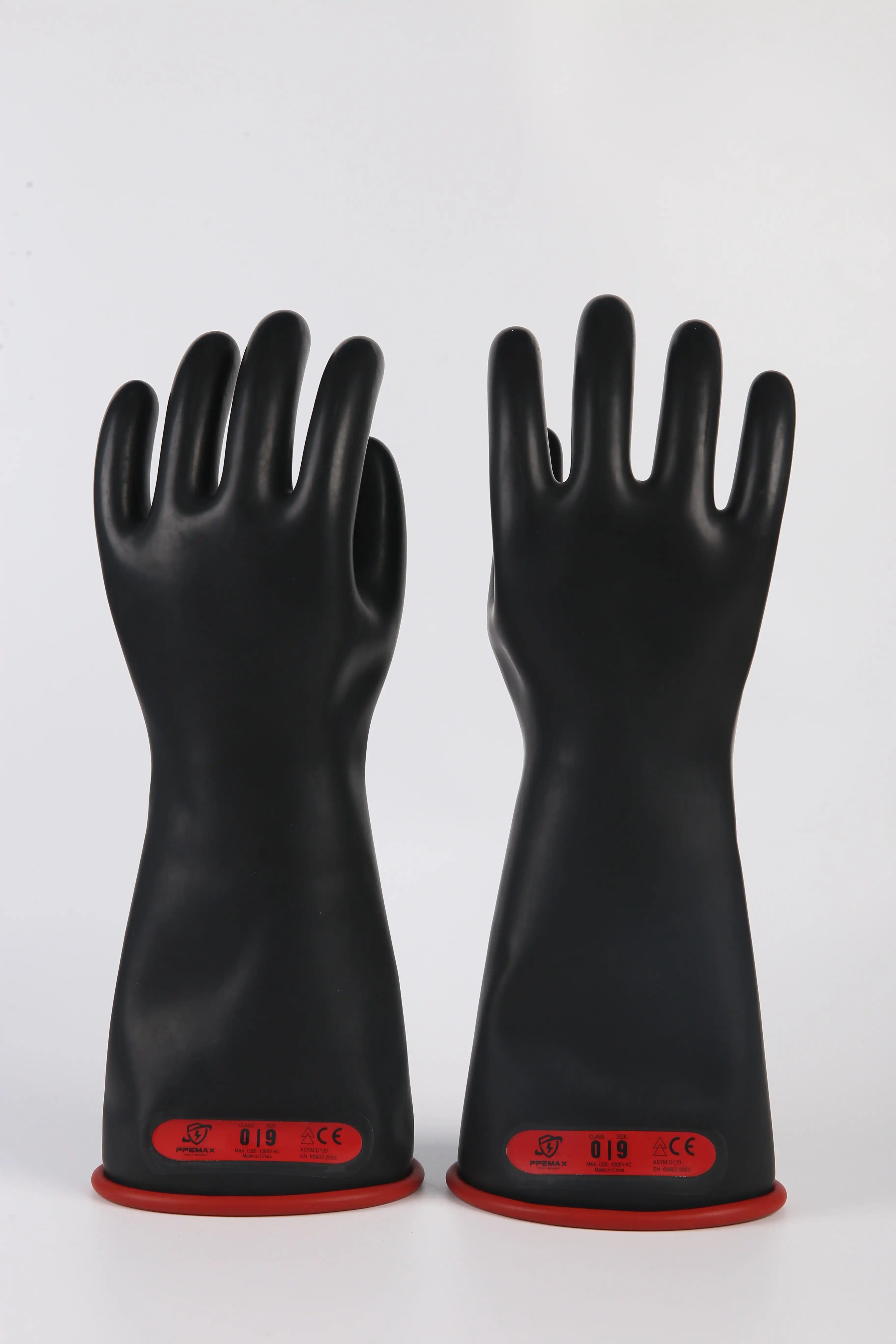
|
Parameter |
Specification |
|
Maximum Use Voltage |
1,000V AC / 1,500V DC |
|
Proof Test Voltage |
5,000V AC / 20,000V DC |
|
Label Color |
Red (ASTM D120/IEC 60903) |
|
Material Type |
Type I (Natural Rubber) / Type II (EPDM) |
|
Thickness |
1.02mm (0.040 inches) |
|
Length Options |
11", 14", 16" inches |
|
Cuff Styles |
Straight, Bell, Contour |
|
Standards Compliance |
ASTM D120, IEC 60903, OSHA 29 CFR 1910.137 |
Hidden Risks of Cheap Dielectric Gloves: What Procurement Managers Should Know
The True Cost of Low-Price Electrical Protection
There is constant pressure on procurement managers to cut costs, but electrical personal protective equipment (PPE) is not the right category for aggressive cost-cutting. Gloves that are cheap are often made by companies that don't have the right quality control systems, testing tools, or a real commitment to safety standards. The price difference between certified and questionable dielectric gloves might look good on paper, but accidents at work, breaking the law, and being held legally responsible are the real costs.
A lot of low-cost providers skip important steps in the production process that keep gloves from coming apart. When goods don't go through the right curing processes or quality checks, or are made from recycled or contaminated rubber materials, they look like they will work but don't when workers need them to most. When these manufacturing shortcuts are looked at visually, they are not noticeable, but when they come into contact with electricity, they become very clear.
Common Misconceptions That Endanger Workers
There are still a lot of harmful myths going around about where to get electrical protection gloves. People who think that "all certified gloves perform equally" don't take into account the fact that imported goods often have fake certification signs. Misconception #2: A visual check alone can confirm the quality of a glove. In reality, failure points are often found by looking at tiny flaws in the material.
People who think that newer gloves automatically offer enough protection don't think about how important it is to store, handle, and test gloves before using them. Even real, approved gloves break down quickly in direct sunlight, oil, or very high or low temperatures. This wear and tear is sped up by cheap gloves made with weaker materials, which sometimes break within weeks instead of the expected months of use.
Real-World Consequences of Substandard Equipment
Case files from investigations into industrial safety show a worrying pattern. In 2019, an electrical worker at a power company in the Midwest got seriously burned even though they were wearing "certified" gloves. After an investigation, it was found that the gloves were fake with fake testing marks. The worker lived, but the company had to deal with fines from the government, workers' compensation claims, and damage to its image that was much worse than any savings from buying.
In a different case that has been recorded, a building worker bought a lot of cheap voltage-rated gloves from an online market. In just three months, several gloves failed regular electrical tests because they had tiny leaks and material breakdown. The safety manager for the builder thought that replacing all of the goods and putting in place the right source verification procedures would cost eight times the difference in the original purchase price between the certified and budget choices.

How to Choose Reliable Dielectric Gloves: A B2B Procurement Guide
Essential Compliance and Certification Criteria
Before choosing the right electrical safety gloves, make sure they really do meet recognized standards. Accredited labs should be asked by procurement teams to provide full test results, batch certification papers, and third-party proof. Genuine makers give clear information about their products, like what materials they use, how they test them, and how they make sure the quality is good.
In addition to basic certification, you should look at the manufacturer's track record of output, reputation in the industry, and quality control systems. ISO 9001 certification means that quality control is being done in a planned way, but it doesn't get rid of the need for specific PPE testing. Manufacturers that have been around for a long time and have decades of experience tend to have stricter internal standards than newer companies that are only interested in competing on price.
Material Quality and Performance Trade-offs
When deciding between choices, don't just look at the voltage class ratings; also look at the material specs. Here are the most important things that set high-end electrical shielding gloves apart from cheaper ones:
The dielectric strength of natural rubber is directly related to how pure and consistent the formulation is. Premium grades use virgin rubber compounds that are specifically made for electrical insulation. These formulas keep their protective and flexible qualities at temperatures ranging from -20°F to 120°F, so they will work reliably in a variety of work settings.
Thickness regularity in a material keeps electrical current from getting through weak spots. While high-quality manufacturers use precise molding techniques and automatic thickness verification, low-cost manufacturers often have a lot of difference, which makes security less effective. We check the width of each glove several times during production, and any that aren't within tight limits are thrown away.
Controls in the manufacturing process separate reliable suppliers from sources that might not be so reliable. With the right vulcanization, controlled curing temperatures, and clean production settings, gloves can be made to work in a predictable and consistent way. When these areas are cut corners, dielectric gloves are made that might pass the initial testing but break down quickly in real use.
Because of these differences in how they are made, well-known names like Honeywell, Salisbury, and Ansell can charge higher prices. Their investment in quality control infrastructure, testing materials, and process verification directly leads to goods that keep workers safe for the full length of their rated service life. PPE MAX has been making things for 60 years, and that time has taught us that you can't get real quality by cutting corners or using different materials.
The Importance of Proper Sizing and Customization
When they are the wrong size, even approved, high-quality gloves don't cover well enough. Gloves that are too tight make it hard to move and wear out materials faster than they should. Gloves that are too big make it harder to move and increase the risk of accidents by reducing tactile feedback. Comprehensive sizing programs make sure that every worker gets gloves that fit their hands and meet the needs of their job.
Customization options go beyond basic sizes and include gauntlet length, materials for the inside lining, and grips made for specific tasks. In mining, long gauntlets may be needed to protect the wrists, and service workers can better grip tools and equipment when the surfaces are rough. Instead of using general specs, B2B procurement should take these application-specific needs into account.

If you're evaluating personal protective equipment suppliers and require batch-specific testing documents before placing an order, PPE MAX is able to provide official Certificates of Analysis, professional laboratory test reports, and product samples for your verification. Feel free to contact our team at marketing@ppemax.com to discuss your sourcing needs and obtain complete documentation for your quality assessment and procurement approval.
Maintenance, Inspection, and Testing: Extending the Life of Dielectric Gloves
Inspection Frequency and Maintenance Procedures
Before each use, gloves should be carefully inspected and felt to make sure they are in good shape. Workers should check gloves for cuts, tears, punctures, foreign objects stuck inside, and any signs that the material is breaking down, like swelling, stiffness, or stickiness. By putting air into gloves and checking for leaks, the air inflation test is an easy but useful way to check in the field.
How gloves are stored has a big effect on how long they last. For electrical PPE to work, it needs to be kept in a cool, dry, dark place away from chemicals, direct sunlight, and electrical equipment. Glove storage bags made just for gloves keep them safe from ozone and damage while they're being moved. Extreme temperatures speed up the wear and tear on rubber, so storage areas should always have moderate temperatures.
Electrical Testing Requirements and Schedules
Voltage-rated gloves need to be visually checked every day, and they also need to be electrically tested every six months for Class 00, 0, 1, and 2 gloves and every twelve months for Class 3 and 4 gloves. These tests must be done by licensed labs using high-voltage equipment that has been measured and follows the rules set out in ASTM F496. Tests show that gloves keep their stated dielectric strength even though the materials wear down over time and are exposed to things at work.
A lot of organizations don't realize how important it is to keep records of tests. Documentation shows that you did your research during regulatory checks and liability probes. Full records should have dates of tests, proof that the equipment was calibrated, test results, and a list of any gloves that were taken out of service because they broke or were damaged.
How Poor Maintenance Amplifies Quality Issues
Cheap gloves are more likely to break when they aren't taken care of. Poorer rubber formulations break down faster when they come in contact with oil, cleaning chemicals, or UV light. If you store cheap gloves the wrong way, they might not pass electrical tests within weeks. On the other hand, if you follow the manufacturer's instructions for care, high-quality gloves will usually still work after their recommended replacement dates.
We've seen over and over that companies that buy good electrical insulation gloves and follow strict repair plans end up with lower total costs of ownership than companies that buy cheap replacements all the time. When testing costs, administrative costs, and the loss of output caused by shorter replacement cycles are taken into account, the math changes in a big way.
Procurement Strategies for Dielectric Gloves: Cost Efficiency Without Compromising Safety
Online vs. Wholesale Supplier Considerations
In modern buying, there are many ways to buy things, and each has its own pros and cons. Online marketplaces are convenient and seem to save money, but they make it harder to be sure that what you're buying is real. Risks are created by fake goods, specs that aren't clear, and sellers who don't have enough technical knowledge. Experienced safety managers can spot these risks right away.
Wholesale distributors and direct manufacturer ties that have been around for a while offer more openness, technical help, and responsibility. These partners keep an inventory of products that are stored properly, give customers proof of certification, and help customers with application guidance. At first glance, the price may seem higher, but the value comes from the knowledge, dependability, and options when problems arise.
Negotiating With Certified Suppliers
When you negotiate with good providers, you should focus on total value instead of just unit price. Better pricing while keeping product quality high is possible with volume commitments, consolidated orders, and long-term partnerships. Suppliers respect customers who know what they're buying, speak clearly about what they need, and pay on time as agreed.
In addition to basic pricing, warranty terms, testing help, and expert advice are all things that can be negotiated as valuable extras. Some manufacturers offer longer warranties, free retesting services, or application engineering support that make the product much more valuable. At PPE MAX, we've built our customer relationships around these all-around support models because we know that real safety goes beyond the product itself.
Evaluating After-Sales Support and Service Quality
Suppliers and customers have a relationship that lasts the whole lifecycle of a product. Quick expert support can help with questions about size, problems with applications, and safety issues. Processing orders quickly, shipping them reliably, and having open return policies all make buying administration easier.
When evaluating a supplier, customer referrals and the reputation of the business can be very helpful. Companies that have had good relationships with customers for decades show a dedication to quality and service that newer companies can't match. We've been meeting the needs of workplace safety in 134 countries for 68 years, which shows how dedicated we are to the customers who trust us to keep their workers safe.
Conclusion
When it comes to electrical safety, you have to be completely committed to quality throughout the whole buying process. There are hidden risks with cheap dielectric gloves that are much worse than any visible cost savings. These risks put worker safety and the integrity of the company at risk. Instead of just looking at price, purchasing managers should judge suppliers based on their real certifications, the quality of their products, and their ability to provide full support. Choosing, maintaining, and checking voltage-rated gloves the right way is the basis for electrical safety plans that really protect workers. Buying certified, quality-tested electrical insulation gloves from well-known brands is the most cost-effective option when you look at the total cost of ownership, following the rules, and the immeasurable value of worker health and safety.
FAQ
1. Can cheap dielectric gloves meet international safety standards?
Many cheap gloves have fake marks or fake paperwork, but some of the ones that do have real licenses are more expensive. For real compliance, you need pricey testing tools, strict quality control, and high-quality products, all of which raise the cost of production. Gloves that are very cheap but say they are certified often fail independent verification tests. Instead of just believing what sellers say, procurement teams should ask for full test reports from accredited laboratories and check the authenticity of certificates through the groups that issued them.
2. How often should dielectric gloves be tested and replaced?
According to ASTM F496, Class 00-2 gloves must be electrically tested every six months, while Class 3-4 gloves must be tested once a year. Before each use, the gloves must be inspected visually, and any that are broken must be taken out of service right away. Instead of having set dates, replacement plans are based on how often they are used, how they are stored, and the results of tests. Well-kept luxury gloves often last longer than the minimum testing intervals. On the other hand, cheap gloves often fail testing too soon, meaning they need to be replaced more often even though they seem to save money.
3. What differences exist between natural rubber and synthetic gloves?
Natural rubber has better dielectric strength, is more flexible, and has been used successfully in high-voltage situations. Synthetic materials, like neoprene, are better at resisting chemicals and may work in places where petroleum products are present, but they usually cost more. Natural rubber is still used for most electrical work because it is the best combination of safety, dexterity, and longevity. Instead of going with the cheapest option, choosing materials should be based on the risks in the workplace, the voltage needs, and the environment.
Partner With a Trusted Dielectric Gloves Manufacturer for Complete Workforce Protection
Companies that need certified electrical safety equipment they can trust can get it from PPE MAX, which has been making high-quality products for 68 years. As the biggest PPE supplier in Northwest China and a worldwide partner that works with 134 countries, we offer consistently high quality and full support, which turns buying into a strategic relationship. Our electrical shielding dielectric gloves are made with high-quality natural rubber formulations and precise techniques that have been improved over decades. They are then put through thorough testing that goes above and beyond what is required by ASTM and IEC.
Our end-to-end solutions, which include expert OEM manufacturing and custom branding programs made to your specs, give procurement managers looking for trusted dielectric glove suppliers a lot of benefits. Throughout the lifecycle of a product, we offer expert advice, thorough certification documents, and quick assistance. Contact our team at marketing@ppemax.com to get personalized quotes, help with applications, and partnership opportunities that will make your safety program stronger and improve the efficiency of your procurement. To protect your employees, you should first choose partners who are just as dedicated to real, unwavering safety as you are.
References
1. American Society for Testing and Materials. (2021). ASTM D120-20: Standard Specification for Rubber Insulating Gloves. West Conshohocken, PA: ASTM International.
2. International Electrotechnical Commission. (2020). IEC 60903: Live Working - Electrical Insulating Gloves. Geneva, Switzerland: IEC Publications.
3. National Institute for Occupational Safety and Health. (2018). Electrical Safety in the Workplace: A Comprehensive Guide for Procurement Managers. Washington, DC: Centers for Disease Control and Prevention.
4. Occupational Safety and Health Administration. (2019). Personal Protective Equipment for Electrical Workers: Standards and Best Practices. Washington, DC: U.S. Department of Labor.
5. International Safety Equipment Association. (2020). Quality Assurance in PPE Manufacturing: Critical Factors for Procurement Decision-Making. Arlington, VA: ISEA Publications.
6. Bureau of Labor Statistics. (2022). Workplace Electrical Injuries: Analysis of Incident Reports and Equipment Failure Patterns. Washington, DC: U.S. Department of Labor Statistics.
Learn about our latest products and discounts through SMS or email