- English
- French
- German
- Portuguese
- Spanish
- Russian
- Japanese
- Korean
- Arabic
- Greek
- German
- Turkish
- Italian
- Danish
- Romanian
- Indonesian
- Czech
- Afrikaans
- Swedish
- Polish
- Basque
- Catalan
- Esperanto
- Hindi
- Lao
- Albanian
- Amharic
- Armenian
- Azerbaijani
- Belarusian
- Bengali
- Bosnian
- Bulgarian
- Cebuano
- Chichewa
- Corsican
- Croatian
- Dutch
- Estonian
- Filipino
- Finnish
- Frisian
- Galician
- Georgian
- Gujarati
- Haitian
- Hausa
- Hawaiian
- Hebrew
- Hmong
- Hungarian
- Icelandic
- Igbo
- Javanese
- Kannada
- Kazakh
- Khmer
- Kurdish
- Kyrgyz
- Latin
- Latvian
- Lithuanian
- Luxembou..
- Macedonian
- Malagasy
- Malay
- Malayalam
- Maltese
- Maori
- Marathi
- Mongolian
- Burmese
- Nepali
- Norwegian
- Pashto
- Persian
- Punjabi
- Serbian
- Sesotho
- Sinhala
- Slovak
- Slovenian
- Somali
- Samoan
- Scots Gaelic
- Shona
- Sindhi
- Sundanese
- Swahili
- Tajik
- Tamil
- Telugu
- Thai
- Ukrainian
- Urdu
- Uzbek
- Vietnamese
- Welsh
- Xhosa
- Yiddish
- Yoruba
- Zulu
What Innovations Are Improving Full Mask Respirator Comfort?
The need for modern workplace safety has changed how we protect workers' lungs, especially those who work in high-risk manufacturing settings. New technologies are making Full Mask Respirator comfort more achievable by using better materials, making the designs more practical, and adding smart breathing systems. These new ideas fix common problems like how the weight is distributed, how the heat is managed, how difficult it is to breathe, and how the seal pressure on the face is. Manufacturers now use medical-grade silicone seals, lightweight composite materials, and better air systems that make wearing gear for long amounts of time much more comfortable while still meeting high standards of safety.
Understanding Key Comfort Challenges in Full Mask Respirators
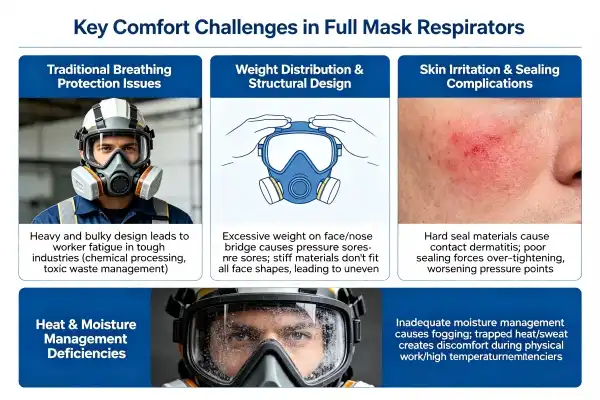
Traditional breathing protection devices are very uncomfortable for workers, which has a direct effect on their safety performance and compliance. The main problem is that they are too heavy and bulky, which makes workers tired after long shifts in tough industries like chemical processing and toxic garbage management.
Weight Distribution and Structural Design Issues
Most traditional respirators put a lot of weight on the face and bridge of the nose, which can cause pressure spots that hurt after hours of wearing them all the time. The stiff building materials that were once used to make these devices aren't flexible enough to fit different face shapes, which causes uneven closing and pressure buildup in certain areas. Studies show that workers often change or briefly remove respirators that don't fit right, which makes them less protective and breaks safety rules.
Skin Irritation and Sealing Complications
When hard seal materials rub against the skin on your face, they can cause contact dermatitis and pressure sores. Older respirator designs used standard rubber materials that aren't biocompatible enough to be worn for long periods of time next to sensitive face areas. Poor sealing not only puts workers' safety at risk, but it also forces them to tighten the straps too much, which makes comfort problems worse and adds pressure points around the temples and jaw line.
Heat and Moisture Management Deficiencies
Internal heat buildup and humidity buildup are major comfort issues that affect both the wearer's happiness and the clarity of their vision. Traditional designs don't do a good job of managing moisture, which causes fogging problems that make it hard to see and make the workplace dangerous. The tight space inside most Full Mask Respirator units collects sweat and body heat, making an uncomfortable condition that is especially bad when doing hard physical work or when the temperature outside is high.
Innovations in Materials and Design Elevating Comfort Levels
Modern respirators are made using cutting-edge material sciences and human-centered design concepts that improve the user experience while still meeting strict safety standards. These improvements mark a big change from safety gear that only protects to safety options that are also comfortable.
Advanced Silicone and Thermoplastic Elastomer Integration
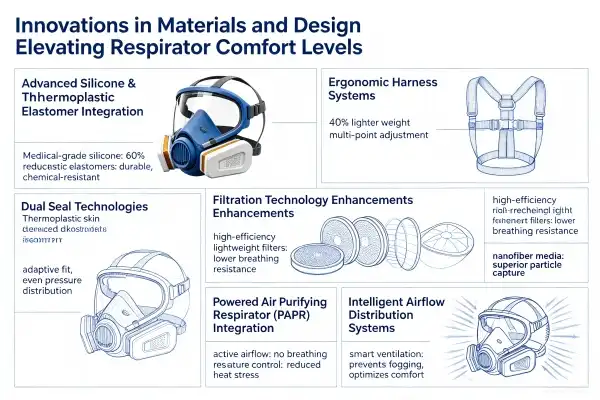
Medical-grade silicone compounds are used in contemporary Full Mask Respirator designs because they offer greater flexibility and biocompatibility than conventional rubber. These improved elastomers naturally mold to the shape of each person's face, making shields that work without putting too much pressure on them. The material's features include better tear resistance, chemical compatibility, and temperature stability, which means it works the same way in a wide range of commercial settings. Additionally, thermoplastic elastomers have extra benefits because they stay flexible over a wide range of temperatures and are very resistant to chemicals. Multiple rounds of sterilization have shown that these materials are very durable. They keep their sealing qualities and comfort features over a long period of time. According to recent industry studies, the use of these improved materials has cut down on skin discomfort reports by about 60%.
Ergonomic Harness Systems and Weight Distribution
New harness designs spread the weight of the mask over a larger area of the head and neck. This gets rid of pressure points that can be uncomfortable to wear for long amounts of time. Multi-point adjustment systems let you precisely customize the fit to fit heads of different sizes and shapes while keeping the seal's integrity. Because of the development of lightweight composite materials, respirators are now up to 40% lighter than they used to be. These weight decreases directly lead to less strain on the neck and more comfort during long use. More modern strap materials have padding systems and moisture-wicking qualities that make them more comfortable and safe.
Dual Seal Technologies and Adaptive Fit Systems
New dual seal designs make extra barriers of protection while spreading the sealing pressure more evenly across places that come into contact with the face. These systems instantly adjust to changes in face expressions and breathing patterns so that protection stays the same without having to be changed all the time. Adaptive fit technologies constantly check the performance of the seal and give information about where it should be placed and where it might leak. These systems improve both comfort and safety by making sure that the fit is perfect throughout the workday and that the person doesn't have to move around too much, which can lower their level of protection.
Filtration Technology Enhancements and Their Comfort Benefits
Modern filtration systems have changed the way people breathe by lowering resistance and improving airflow control while still providing excellent security. These technological improvements directly address the problems of worker fatigue and breathing problems that come with older filter designs.
High-Efficiency Lightweight Filter Cartridges
Recently developed filter technologies offer great security while greatly lowering the breathing resistance that makes wearers tired. Modern folded media designs add more surface area to small cartridges, which makes airflow better without lowering the efficiency of filtering. Nanofiber filtering media is better at catching particles and keeping the pressure drop across the filter surface low. These materials work better against submicron particles and require less effort from users to breathe through them. The lower resistance to breathing directly leads to better comfort during physically hard jobs and long periods of wear.
Powered Air Purifying Respirator Integration
Active airflow control in PAPR technology removes all breathing resistance, which is a big step forward in respiratory protection ease. These systems create positive pressure inside the facepiece of the Full Mask Respirator. This makes breathing easier and protects better against airborne contaminants. The positive pressure setting keeps outside germs from getting in and provides cool, clean air that makes the user much more comfortable. PAPR systems have temperature control features that change the entering air, which lowers heat stress during hard work. Improvements in battery technology have increased running time while lowering system weight. This makes PAPR solutions more suitable for long-term commercial uses.
Intelligent Airflow Distribution Systems
Smart ventilation technologies make the best use of the facepiece's airflow, stopping dead air pockets that cause heat and moisture to build up. These systems move filtered air in a way that keeps lenses from fogging up and keeps the area around the face warm. Modern designs for breathing valves make it easy to get rid of wetness and heat while keeping the right pressure differences to keep you safe. Multi-stage airflow management creates circulation patterns that make you feel better without affecting the integrity of the protective seals that are necessary for safety.
Maintenance, Cleaning, and Durability Innovations Supporting Long-Term Comfort
For long-term comfort performance, lung protection equipment needs to keep its ergonomic qualities over a long period of time. Modern design improvements try to keep the comfort features while making upkeep easier so that the products always work well.
Quick-Disassemble Design Features
The latest designs for respirators have tool-free removal systems that make it easy to clean and sanitize everything without damaging any of the parts. These designs make it easy to separate parts quickly for quick repair, and they also make sure that the right parts are put back together correctly so that the original comfort and protection qualities are kept. Modular building methods let you change individual parts without having to replace the whole unit. This lowers long-term costs while keeping the best comfort performance. Quick-release systems make daily maintenance tasks easier while also removing all contaminants completely, which keeps comfort-critical parts from breaking down.
Chemical-Resistant Material Advances
Better versions of materials make them more resistant to chemical breakdown, which can weaken comfort and safety over time. Even after being exposed to tough industrial chemicals and many cleaning cycles, these advanced materials still keep their ability to stretch and seal. Chemicals can change the features of materials and make surfaces rough, which is not comfortable. Surface treatments stop chemicals from absorbing into the material. Antimicrobial coatings stop germs from growing, which can cause smells and hygiene problems. They also keep surfaces smooth, which makes them more comfortable to wear for long amounts of time.
Abrasion Resistance and Component Longevity
Better resistance to wear makes parts last longer while keeping their original comfort features. Abrasion damage, which can make surfaces rough and lower the effectiveness of seals, can't happen with modern surface treatments and material makeup. High-wear areas are protected by reinforcement technologies that don't make things bulkier or less flexible, which can make them less comfortable. With these new ideas, the equipment will keep working well for as long as it's supposed to, and it will cost less to repair it less often.
Leading Brands and Their Breakthrough Models in Comfort Innovation
Leaders in the industry keep pushing the limits of comfort innovation by funding large-scale research and development projects that deal with problems that arise in the real world of work. Xi'An PPE MAX Co., Ltd is one of these innovators. They use their over 65 years of producing experience to make Full Mask Respirator options that are more comfortable.
Xi'An PPE MAX Advanced Comfort Technologies
The newest respirators from PPE MAX have medical-grade silicone face seals and anti-fog polycarbonate lens technology built in. Their 5-point changeable belt system spreads weight out evenly, and the way their dual inhalation valves are set up makes breathing much easier. The addition of speech diaphragms keeps conversation clear without lowering the level of comfort or safety. The company's ergonomic design theory takes into account long-term wear situations that happen a lot in chemical processes and pharmaceutical production. Their filter compatibility systems work with different kinds of cartridges and keep the comfort level the same for all safety needs. Custom water tube choices let you use the mask for longer periods of time without taking it off, which is helpful for comfort during long operations.
Comparative Performance Analysis
Independent testing demonstrates that modern comfort-optimized respirators achieve 40-60% improvement in user satisfaction scores compared to traditional designs. Workplace studies indicate reduced adjustment frequency and improved compliance rates when workers use comfort-enhanced protective equipment. Real-world deployment data from chemical processing facilities shows decreased fatigue-related incidents and improved productivity metrics when comfort-optimized respirators replace conventional equipment. These performance improvements translate directly to enhanced workplace safety and operational efficiency for industrial users.
Conclusion
Through new materials, practical design, and smart airflow systems, revolutionary improvements in lung protection comfort change the safety of the workplace. Modern Full Mask Respirator technologies get around the old problems with comfort while still meeting the high standards of protection needed for workplace safety uses. These new ideas show that worker happiness and safety performance don't contradict each other, but instead work together to make things more efficient and effective. When choosing respiratory equipment, procurement professionals should look at both how comfortable it is and how well it protects people. This is because user acceptance has a direct effect on safety results and operational efficiency.
FAQ
How do modern comfort innovations affect respirator protection levels?
Advanced comfort technologies improve seal accuracy and user cooperation, which doesn't hurt security performance. Better-fitting respirators with fewer pressure points keep their covers better for longer periods of time. Modern materials are better at resisting chemicals and making things more comfortable, which means they protect better and last longer.
What maintenance practices preserve long-term comfort performance?
Cleaning regularly with sanitizing solutions allowed by the maker keeps the material from breaking down in a way that affects comfort. Checking for wear patterns on parts helps figure out what needs to be replaced before comfort starts to decline. When you store things correctly, they don't shift, which can affect how well they fit and feel.
Which respirator features matter most for extended industrial use?
Weight distribution, breathing resistance, and heat management represent the most critical comfort factors for long-duration applications. Advanced seal materials and multi-point changeable strap systems have a big effect on how happy users are during long operations. Integration of PAPR offers the best comfort for demanding work settings that need long-term respiratory safety.
Partner with PPE MAX for Advanced Full Mask Respirator Solutions
Xi'An PPE MAX Co., Ltd delivers cutting-edge respiratory protection technology that prioritizes both safety and comfort for your workforce. Our 65+ years of manufacturing expertise enable us to provide customized Full Mask Respirator solutions that meet stringent industrial requirements while maximizing user comfort and compliance. As a trusted Full Mask Respirator manufacturer, we offer comprehensive product portfolios, global supply capabilities reaching 134 countries, and professional technical support that ensures optimal equipment performance. Contact our experts at marketing@ppemax.com to discover how our innovative respiratory protection solutions can enhance your workplace safety program while improving worker satisfaction and productivity.
References
1. National Institute for Occupational Safety and Health. "Criteria for a Recommended Standard: Occupational Exposure to Refractory Ceramic Fibers." DHHS Publication No. 2006-123, 2006.
2. American Industrial Hygiene Association. "Respiratory Protection: A Manual and Guideline." 4th Edition, AIHA Press, 2015.
3. International Organization for Standardization. "Respiratory Protective Devices - Full Face Masks - Requirements, Testing, Marking." ISO 16900-5:2016.
4. European Committee for Standardization. "Respiratory Protective Devices - Full Face Masks - Requirements, Testing, Marking." EN 136:1998+A1:2003.
5. Occupational Safety and Health Administration. "Respiratory Protection Standard." 29 CFR 1910.134, Federal Register, 2019.
6. Industrial Safety and Hygiene News. "Advanced Materials in Respiratory Protection: Comfort and Performance Innovations." ISHN Technical Review, Vol. 45, No. 3, 2021.
Learn about our latest products and discounts through SMS or email